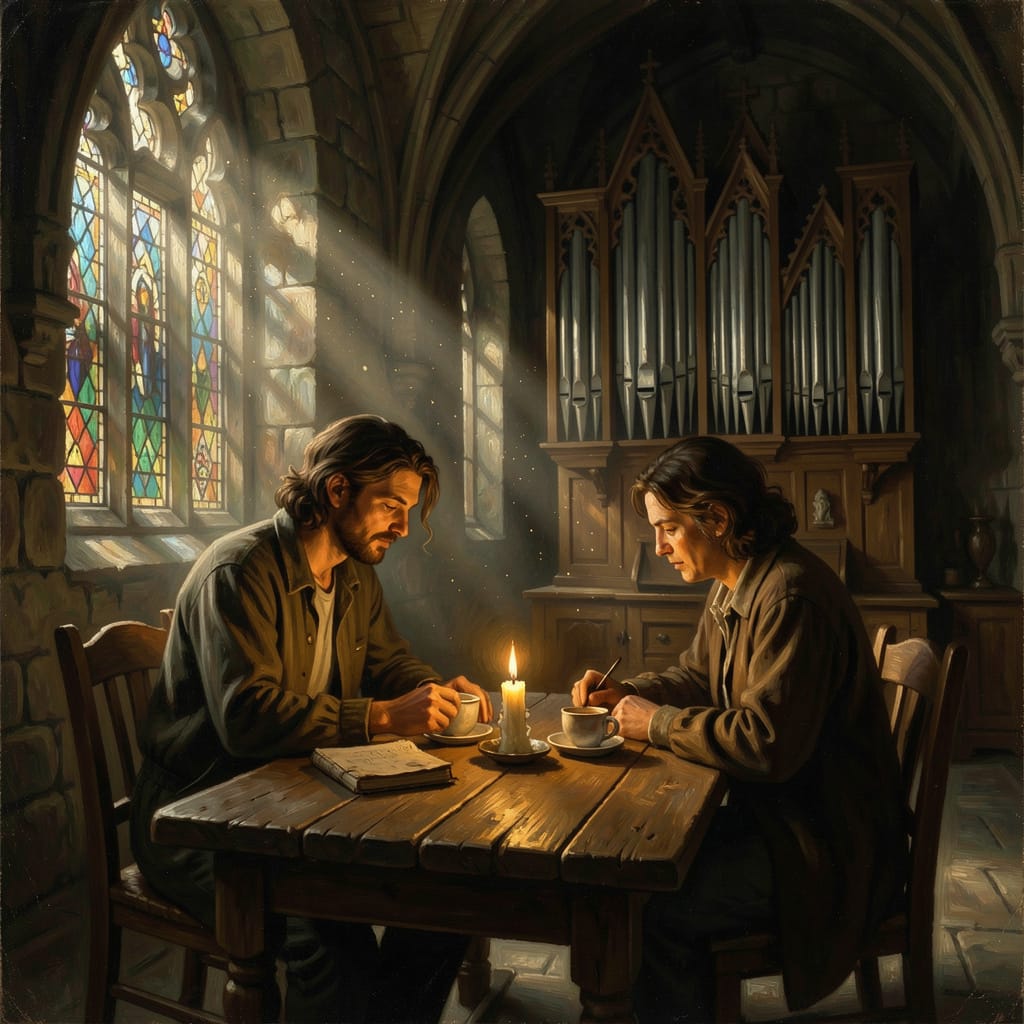
Many melancholic Christians struggle with the idea of joy in the quiet corners of their faith where things feel hard and gray. We know the Bible talks about joy a lot, but when your heart tends toward the somber and the deep, it feels like joy is something only bubbly believers get to claim. Fortunately, you don’t have to turn into someone fake or force a smile that doesn’t belong to you to practice genuine joy. Together, let’s talk about this like friends over coffee in an old stone chapel.
In the Christian life, joy doesn’t have to be sunshine and rainbows all the time. Joy is deeper than that. For those of us who feel the weight of the world more keenly, it often manifests as a quiet strength, a steady light in the middle of the fog. Just think about it. The Psalms are full of honest cries and sudden bursts of praise. David didn’t fake it. He brought his sorrow to God and he let God meet him there. Honest joy starts there, not in performance.
If you want to practice joy without faking it, start small with gratitude that fits your mood. If that feels wrong, don’t list too many happy things. Instead, think about the small mercies that keep you going no matter what. It’s not forced positives, but anchors. The sound of rain on the roof, the flicker of a candle in prayer, the words of an old hymn that still hold truth. If you want, write them down in a little notebook, or just whisper them during quiet times. This builds a foundation that feels authentic because it’s yours.
You can let your melancholy fuel your worship instead of fighting it. Melancholics see beauty and brokenness at the same time, and that’s okay. In fact, it can lead to a deeper joy. When you feel the ache, bring it into your prayers and songs. Play some minor key hymns or gothic style worship music that lets your sorrow breathe while pointing to hope. God isn’t scared of your heaviness. Sometimes joy sneaks in through the cracks like light through stained glass.
It’s important to be part of a community here too, but not in a pressured way. Find some people who get the quiet faith, not only the loud one. Talk about the honest things without ending every conversation on a high note. Joy grows when you don’t feel pressured. You can savor a rich meal instead of rushing through fast food by reading Scripture together slowly. Passages about God being near the brokenhearted are like a warm blanket on a cold night when you’re reading them together.
There’s joy in serving others even if you don’t need to be the center of attention. Melancholic believers often have a gift for quiet compassion. Visit someone who’s lonely, write encouragement, or pray for those who’re hurting. These acts don’t demand fake cheer. They let your depth become a strength. Your presence makes you powerful.
Remember that joy is also a choice of focus, not denial. The world is full of suffering, and ignoring it would make joy fake. Instead, hold both. Lament the brokenness and trust in the redemption story at the same time. Jesus wept and He rose. That tension is where Christian joy lives for many of us. Not shallow happiness. It’s resurrection hope that says the dark night won’t win.
Don’t rush into positivity. Let the truth of Christ sink in slowly. Start the morning with a short reading from the Gospels and let the words sink in. Then reflect on when you saw glimpses of God’s goodness. These practices help you recognize joy without making it up.
For melancholic souls, music and art can be huge. Make pieces that reflect both light and shadow. Gothic cathedrals were built by people who understood beauty in the midst of mystery. Let creativity become a way of expressing and discovering joy that feels true to you.
The Lord’s joy is our strength, according to scripture. This isn’t the joy of pretending or ignoring pain, but His joy, the kind that comes from knowing He’s always there. For melancholic Christians, this means we can be ourselves and still be strong. We don’t need to be extroverted cheerleaders. We just need to be contemplative lights that burn steadily.
Keep returning to the cross, where sorrow and hope met perfectly. That is the source that never runs out. Give yourself grace. Joy isn’t an emotion. It’s a rooted reality.
You’ll find joy that’s deep, real, and yours. It won’t look like everyone else’s. God made your heart the way it is for a reason, and He delights in meeting you there.