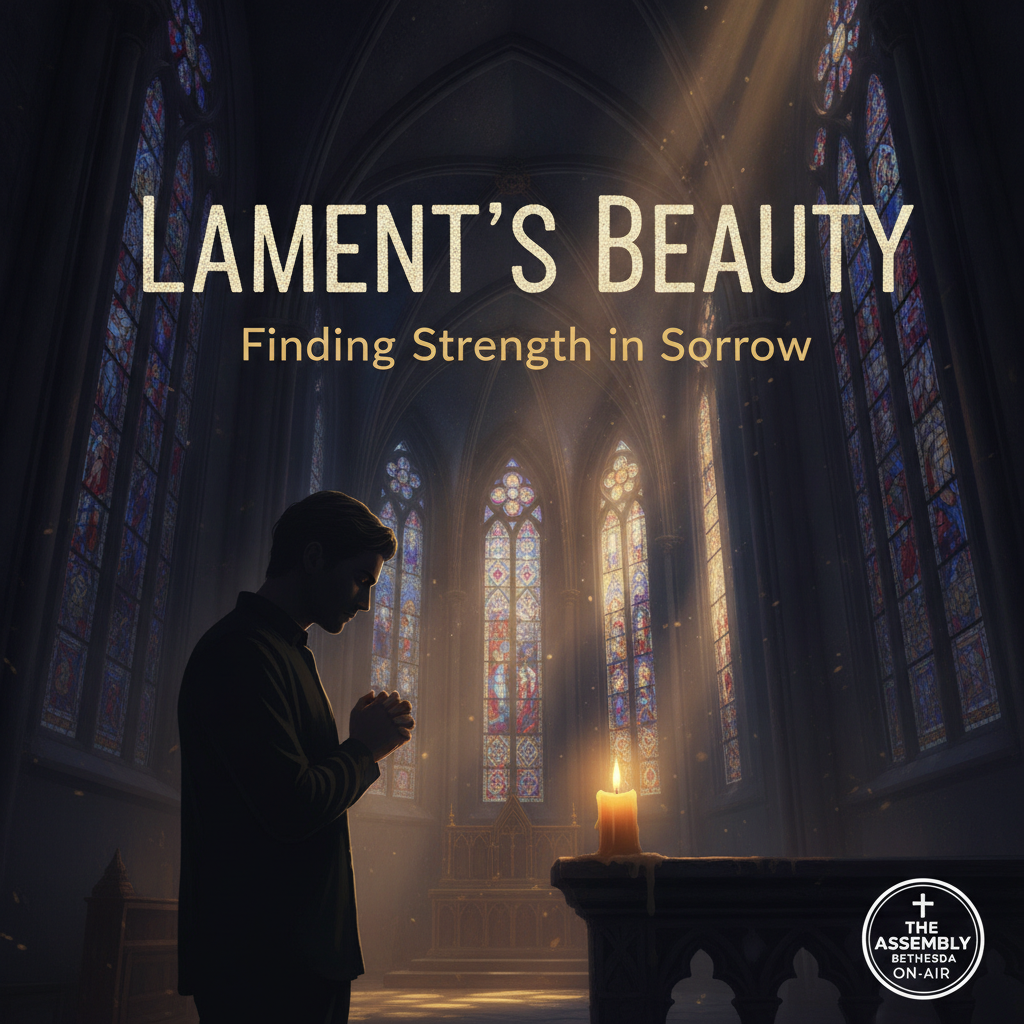
Many people run from sadness instead of facing it head on in our fast-paced world filled with bright lights and endless distractions. It’s easy to scroll through feeds that show perfect lives, take pills to numb the pain, or chase a high after another. But what if I told you that true beauty is found in the very moments of grief? When life feels heavy and dark like an old cathedral at midnight, we can find deep comfort in lament.
Think about how the world pushes the idea that you have to always be positive, always smile, always win. Lamenting isn’t just feeling sorry for yourself, it’s pouring out your heart to the Father. But the Bible shows us a different way, a way through the valley of shadows where God meets us in our brokenness. Filters hide every flaw. Influencers preach nonstop hustle.
We lament when we acknowledge the broken world around us. Wars rage, loved ones suffer, dreams crumble, and injustice runs wild. Ignoring that doesn’t make it go away, it builds up inside like storm clouds ready to burst. Gothic Christian tradition sees beauty in those stormy cathedrals, the way light filters through the stained glass even on the darkest days. We bring our raw emotions to the cross, where Christ cried out in anguish.
Our culture avoids grief because it fears weakness. We’re told to move on quickly, to get back to normal, to stay productive. But skipping lament means missing the growth that comes from it. It’s not some fancy theological point to realize His strength is made perfect in your weakness when you sit with your sorrow. It’s real life faith for people who wander through foggy spiritual landscapes every day.
Lament has a rhythm much like the chants echoing in ancient stone halls. It starts with complaint, moves to confession, and ends with trust. Psalm after Psalm follows this pattern. We cry out in pain, admit our doubts, and then remember God’s faithfulness. In a world addicted to instant happiness, this process feels slow and uncomfortable. But it leads to deep joy.
Take a look at how Jesus lamented. He wept over Jerusalem and cried from the cross. He didn’t pretend everything was fine. He teaches us to do the same. Gothic imagery evokes the pierced heart, the crown of thorns, and the darkness at noon. These aren’t signs of defeat, they’re doors to resurrection. It honors sin and the weight of living in a fallen world while pointing us to the empty tomb.
Embracing lament builds resilience. It teaches us empathy for other people who are suffering. Avoiding grief leads to shallow faith. Churches that make space for mourning become places of real healing, like sanctuaries where shadows and light dance together. Casual believers might avoid this, preferring upbeat worship only. The full Christian life includes both.
In the midst of lament, there’s beauty. After the tears, there’s a new sense of God’s presence. Hope rises like dawn over misty ruins. This isn’t forced positivity, this is real transformation that comes from being honest with God. We avoid, so this is radical and freeing in our avoidance culture.
All over Scripture, lament is modeled. Prophets wailed over Israel’s sins. Job questioned everything, but held on. Even Mary thought about her sword piercing her soul. These stories remind us that grief is part of the journey. It’s not honoring God to deny it. It’s honoring Him to face it with Him.
In practice, how do we do it? Set aside quiet time without screens. Write out your complaints in a journal addressed to God. Read the lament Psalms aloud. Let the words become your own. Don’t rush to solutions. Share burdens in safe community. Light a candle in the dark to remind you of Christ. These small steps are Gothic in their mystery, so they draw us closer to our faith.
Faith says grief is holy ground. Culture says it’s unproductive. When we lament well, we’re joining a long line of saints who’ve trusted the Savior through shadows. In the end, it brings a deeper beauty to our walk with Christ than superficial cheer.
As we wrap up these thoughts, remember that lament is a gift. It softens hard hearts, deepens roots, and prepares us for glory. In a world running from pain, let’s embrace it with open hands and lifted voices. Walk in that truth today, because the beauty is real. God hears every cry, collects every tear, and weaves it into something eternal.