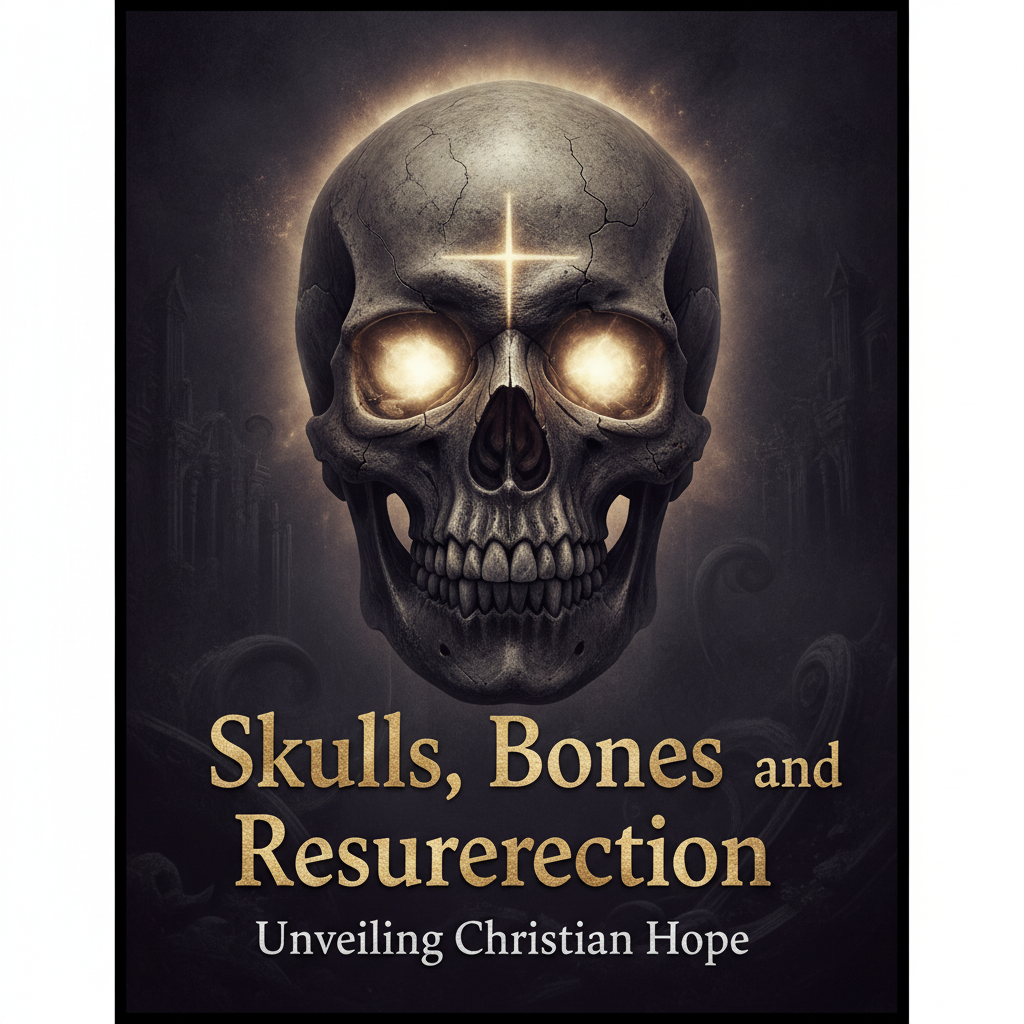
In the shadowy corners of our world today, death culture seems to be everywhere. There are skulls on t-shirts, bones in art, and a fascination with the macabre that feels both compelling and a bit heavy. As Christians who appreciate that gothic vibe, how do we navigate this? We look at the contrast between this death obsessed culture and Jesus’ resurrection. Come explore this with me in a casual way, like friends chatting over coffee in an old cathedral.
Here’s what we’re talking about: Death culture is that trend where people embrace symbols of mortality. Think about those dark aesthetics, the skulls on jewelry and home decor. In some ways, it’s not bad, because some of it comes from historical memento mori traditions, reminders that life is short. But in modern times, it can feel like it’s just a celebration of the end without any hope. Many people see skulls as symbols of death, bones as a stark reminder of what’s left after the body dies. But for believers, these same symbols can mean something more.
The Bible talks about death like this. Death is an enemy, sure, but one that has already been defeated. We read in 1 Corinthians 15 how death is swallowed up in victory. It’s just temporary stuff. So while the world might fixate on the gloom of bones and graves, we see them as temporary. We have this amazing hope that, even if our bodies turn to dust, they’ll be raised again because of Jesus’ resurrection.
I’ll elaborate on this a bit. Imagine walking through an old gothic church. The architecture itself reminds us of mortality, like carved skulls or skeletons in some designs. The Christian Gothic style uses the dark to highlight the light, not to stay stuck in the dark. Today’s death culture romanticizes decay without the resurrection part, but those buildings were made to lift your gaze upward. It’s like listening to goth music that broods on loss, which can be artistic, but we add the faith that says loss isn’t the end.
In the Bible, bones are interesting too. Ezekiel saw dry bones come to life. That’s a picture of hope! God asks if those bones can live, and then breath comes into them, flesh returns, and they stand like an army. That’s resurrection power right there. As we see bones in art and culture, it’s a reminder that God can bring life to what seems dead. It’s not just poetic, it’s a promise for our lives too.
My guess is that people are drawn to death symbols because life can be tough. There’s anxiety, loss, uncertainty. Skulls remind us that we’re all heading the same way, which makes people want to live more intensely or embrace nihilism. Christian hope changes that. We acknowledge death. We don’t ignore the skulls and bones, but we look beyond them to the empty tomb. Jesus conquered death, and his resurrection gives us hope.
In the Bible, there’s a promise of a resurrection that’s not vague. It’s a physical resurrection. We’ll be regenerated, made new, imperishable. That’s comforting when you’re facing death culture that treats the body like a trashy waste of time. Christ says the body matters, it’s a temple, and it’s gonna be redeemed.
If you want to make this practical and casual, think about how you can use these ideas. Maybe you’re into Gothic fashion with crosses and skulls. That’s fine, as long as your heart is filled with hope. Use those symbols to talk about faith. Hey, why the skull? Death has been defeated, so I like it.
The Christian faith has long dealt with death themes. Medieval art had Danse Macabre, skeletons dancing with the living to remind us of equality in death. But always with the message of salvation and judgment. Today, we can reclaim it. Instead of despair, we see beauty in the contrast, light piercing dark.
In extreme cases, death culture might glorify darker elements, but we counter with life abundant. Jesus said he came so we might have life to the full.
My point is that pop culture’s fascination with vampires and undead often lacks true resurrection. It’s twisted immortality without God. Christian hope offers real eternal life. Whenever you see cemetery art or skull motifs, pray. Praise God for victory over death. Share the gospel casually, like this is cool, but there’s more. Jesus’ resurrection appearances show he ate, was touched, had a real body.
Imagine the catacombs where early Christians buried their dead with symbols of hope, anchors, fish, not just death. We can do the same.
Death is universal, but hope in Christ is too. Skulls remind us of humility, bones remind us of our frailty, and resurrection reminds us of our power. Some gothic novels had Christian undertones, like works about sin and redemption. Death culture on social media, skull filters, memes about dying. We respond with empty tomb memes. It’s okay to enjoy the aesthetic. Even stark images have beauty. But don’t let it overshadow the hope. We participate in his death and resurrection in Philippians.
Finally, skulls, bones, and resurrection together paint a picture of death culture meeting Christian hope. Embrace the gothic, but let the resurrection shine through.