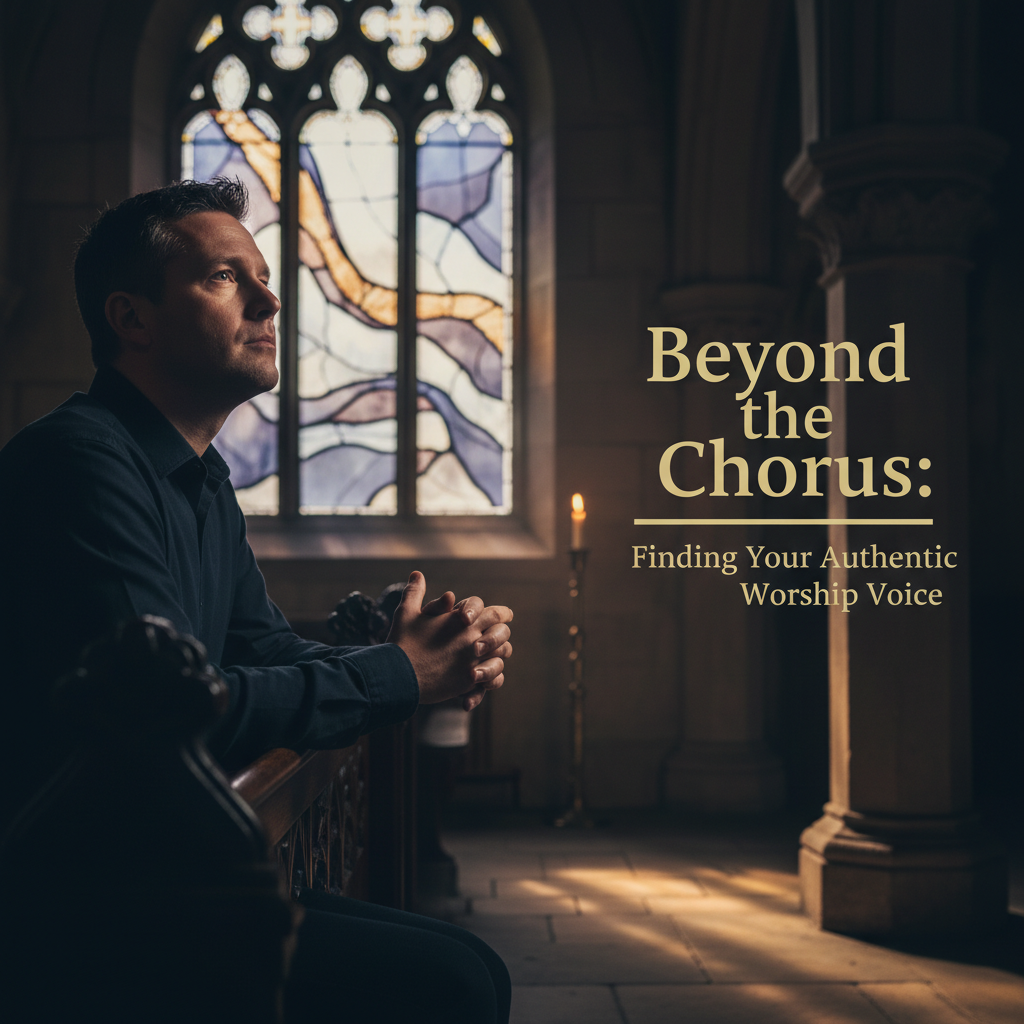
When the lights are low and the melodies are heavy, many believers find it hard to deal with the bright, upbeat sounds that fill so many Christian spaces in the quiet corners of faith. You’re not alone if you feel like your spirit pulls away from those relentlessly happy tunes that sometimes sound more like sugary pop than genuine praise. If the sickening happy Christian music leaves you cold, let’s talk about how to worship authentically. Let’s talk about ways to connect with God in a way that matches your heart, using commas to bridge ideas rather than sharp breaks.
Scripture shows us a wide range of expressions, from loud shouts to silent tears, from dancing to stillness. If it feels fake or shallow, it can make you feel guilty, but God sees your true feelings. Instead of fitting into a mold that doesn’t fit, find forms that let you bring your whole self before the throne. Think Gothic Christian aesthetic, full of mystery, reverence, and beauty found in the dark. It’s possible to find real encounters in cathedrals with stained glass, chants echoing through stone halls, music carrying both lament and hope.
It’s not all about the vibe or the tempo, it’s about your posture. If upbeat choruses make you cringe, don’t feel ashamed to put them aside. You can try ancient hymns rewritten in minor keys, or modern tracks that mix rock edge with sacred lyrics. More often than not, bands and artists who use a darker sonic palette capture the tension between suffering and redemption. Look for lyrics that acknowledge pain, doubt, and the long night of the soul, then move into declarations of God’s sovereignty.
Make your own worship space at home. Dim the lights, light a few candles, and play instrumental music that feels atmospheric. I love Gregorian chants mixed with electronic elements or slow, heavy guitar riffs layered under poetic prayers. Read Scripture passages that match this mood, like the book of Job or the Psalms of lament. Pause often, comma after comma, to let silence speak too. Darkness doesn’t win when you worship in the shadows. It means you meet God right where you are, without pretending it’s warm.
If you want to be Gothic, write your honest complaints and questions to God out in a journal with ornate script. Use prayer beads or a cross to keep your focus. Speak your worship in whispers or through artistic expression, drawing crosses entwined with thorns or roses. These acts become offerings when songs don’t. The Bible’s full of people who worshipped in caves, prisons, and wildernesses, not just bright sanctuaries.
Community matters, but you have to find the right one. Join online groups or small gatherings that appreciate contemplative or artistic expressions to find fellow believers who understand that faith has depth and complexity. Talk about how God reveals Himself in the quiet majesty of cathedrals or in the power of a minor chord resolving at last. Share worship playlists with your spirit, tracks you feel like walking through fog toward the distant light.
Whenever you get together, suggest blending styles. A service with solemn acoustic pieces, reflective readings, and powerful crescendos can satisfy people who need more than just surface happiness. Don’t judge those who love happy music, their way is valid too. But make room for your own authentic response. God’s big enough for everyone.
You can sustain this by practicing daily. Start your mornings by reading from a mystic or early church father who understood suffering. Listen to ambient worship albums while you work or drive. Let the music wash over you like incense, carrying your thoughts upward even when words fail. Sing along only when it feels right, hum or just sit in presence. Worship isn’t performance, it’s connection.
Explore the history of Christian art and music. The Gothic era in architecture and expression emphasized height, light piercing darkness, and intricate detail. You can make playlists called “Worship in the Catacombs” or “Shadows and Glory.” Choose bands with rock, classical, and folk elements that blend faith with atmospheric rock. You want to get close to God without sounding forced.
It’s also possible to deepen this through physical movement. Take a walk in nature on an overcast day, and let the gray sky reflect your inner landscape. Kneel in low light with your hands clasped or open. These postures speak when upbeat lyrics don’t. Fast from music sometimes and embrace silence as a form of prayer. If you don’t hear anything, God’s voice is often clearer.
In scripture, we’re told to be joyful, but it’s not always bubbly. If happy Christian music feels sickening, it might be a sign that it’s time to go deeper. Don’t settle for shallowness. Find worship that challenges, comforts, and transforms you the way you wired it.
Eventually, you’ll find your own expressions developing. Maybe you write lyrics or compose simple melodies that capture your journey. Share them humbly, helping others feel the same way. We need everyone, even those who worship in Gothic style.
God’s only interested in the heart, so bring Him your true feelings, your resistance to fake joy, your longing for more. He can handle it all. Worship Him with integrity, whether it’s tears, art, ancient words, or modern shadows of sound. Light shines brightest when it breaks through real darkness.