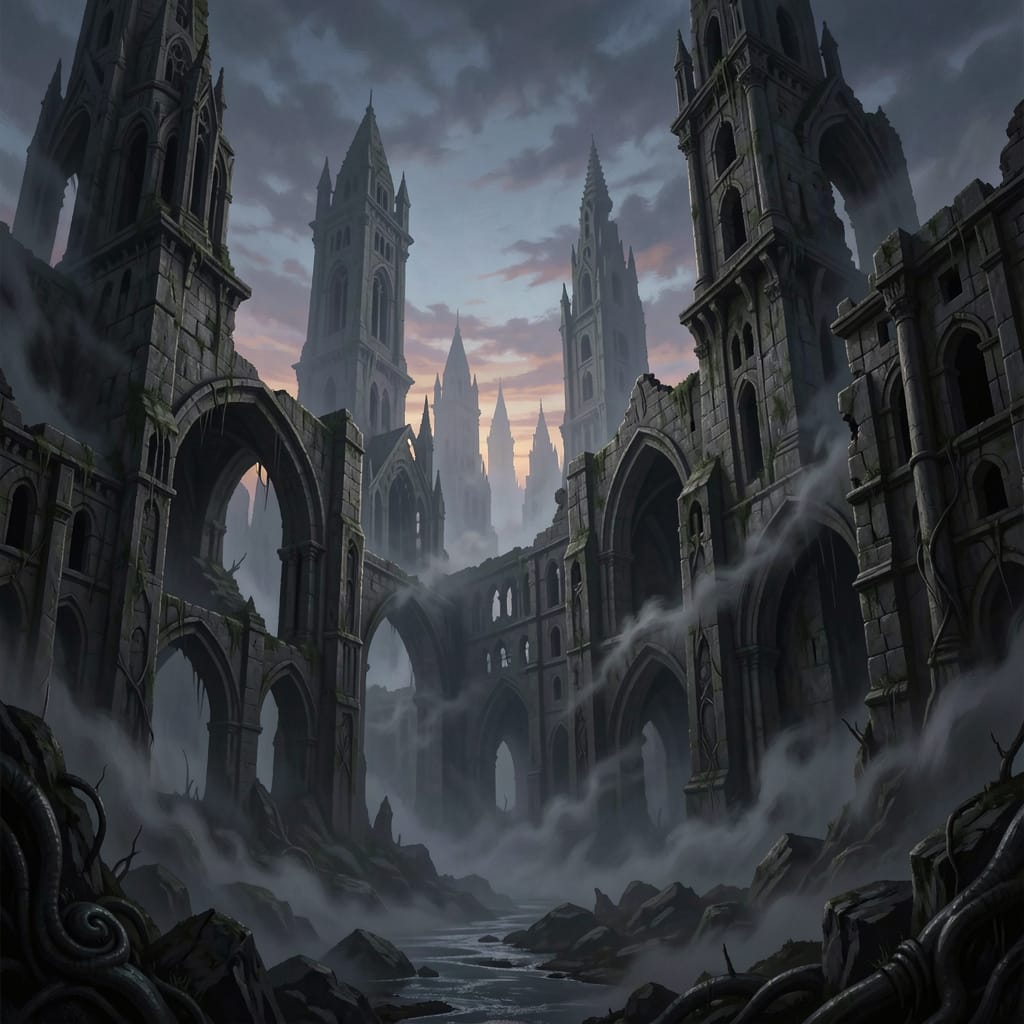
Those biblical cities rise like ghosts from the dust in the dim light of forgotten ages. These places weren’t just backdrops. They were living stages where God moved among people, judgment fell, and promises took root in the ground itself. Their broken walls and buried streets held stories that stretched from Genesis to Revelation. Even today, the spade of the archaeologist keeps uncovering what the Word already said. Stones still speak, and their voices are steady.
In the Jordan Valley, Jericho sat low with palm trees, a fortress that blocked the way to the land God promised. Scripture tells us that when the people marched and shouted, the walls fell flat. People went straight up into the city, so layers of mudbrick collapsed outward, forming ramps. As if the attackers didn’t steal anything, jars of grain sit burned in place, covered in ash. Some people debate the exact year, but the pattern of collapse, fire, and untouched stores remains clear in the ground. The destruction coincides with the harvest season described in Joshua. The once impenetrable city now lies open, its ruins showing that no wall can stand against the Lord’s command.
In the next step is Jerusalem, the city of David, where the Temple stood and kings walked. The City of David has been uncovered by excavations with massive stone structures, fortifications, and water systems that look like a stronghold from the time of the united monarchy, according to the Bible. Hezekiah’s tunnel still carries water under the city, an engineering feat cut through solid rock to prepare for siege.
A fire, arrowheads from their armies, and ash layers confirm the destruction of 586 BC when the Babylonians came. Clay tablets from the same period show officials named in Jeremiah. The walls that once guarded the city show both breach and survival in places, yet the overall ruin matches the prophetic warnings. The Ophel stones and Kidron slopes still hold the memory of glory and judgment.
Babylon stands as a symbol of human pride and divine sovereignty. Founded after the flood, it grew into an empire that swallowed Judah. The Ishtar Gate, the procession way, and the foundations of great ziggurats have been discovered. King Jehoiachin of Judah was given rations on tablets in exile, just as it’s told in the books of Kings and Jeremiah.
The palace of Nebuchadnezzar has yielded records that confirm the names of officials who oversaw the fall of Jerusalem. The Cyrus Cylinder talks about the fall of the city and the return of captives, echoing the prophetic word that the exile would end. Babylon’s bricks still bear the stamp of its kings, but its power is broken as Scripture predicted.
Assyria’s great city once stretched across the plains near the Tigris. The walls and palaces of Nineveh have been dug out, showing where Sennacherib walked. In his own inscriptions, he describes the siege of Jerusalem, how he locked Hezekiah up like a bird in a cage, but never claims it. The biblical account of the sudden deliverance when the angel struck the army matches that silence.
Recent studies suggest images of the city left intact in reliefs from the palace, which used to show scenes of conquest. Jonah once walked its streets with a message of judgment and mercy. The ruins still hold the echo of that warning. There were thousands of tablets in Ashurbanipal’s library, preserving the memory of an empire that rose and fell according to the prophets.
Early chapters of Abraham’s story are supposed to be in Ur of the Chaldees. Excavations have revealed a sophisticated city full of temples, houses, and royal tombs. Despite being broken, the ziggurat still stands, a reminder of what Abraham left behind when he went to a foreign land. It shows wealth and order, so it’s even more remarkable that he took that leap of faith. The line of promise started there.
More layers are revealed by Hazor and Megido. Hazor, the largest Canaanite city at the time, showed a massive fire destruction in the period that matches the conquest accounts. There’s a lot of occupation and battle at Megiddo, the fortress that guarded the pass. According to biblical narratives, both sites are full of strong urban centers. There’s a synagogue and a house by the Sea of Galilee where Jesus taught and healed. The stones still mark the place where he walked.
It turns out that the destruction layers match the seasons and methods described in Scripture. Names of kings and officials appear on clay and stone at the same times. Tunnels and walls prove the people’s strength and how tough they were. There is nothing that forces faith, but there is nothing that contradicts it either. The ground keeps giving up what the text already knew. These ruins stand as quiet, solid companions to the Bible in a world that often treats it as far off legend.
You can’t miss the Gothic feel of these places. Moonlight falls on broken columns, shadows hang in the empty gateways, and the wind blows through the cracks in the walls like a low hymn. Walking among stones that once witnessed temple sacrifices and prophetic warnings, the cross of Christ rises in the heart. These cities remind us that God works not just in the quiet of the soul, but also in history. Empires rise and fall. Walls that seem eternal crumble. The Word endures, and the evidence keeps surfacing to confirm what the prophets said.
The shards aren’t enough to keep faith. Faith is based on God’s character, which is to speak and to keep His word. They invite the believer to walk the dusty paths with an open mind, to see the same Lord who toppled Jericho’s walls and kept Jerusalem for a time is the same Lord who holds every age. They call us to trust the One whose purposes never fail in the gathering dusk of our own days. Their silence isn’t empty either. Scripture is trustworthy, history bends to the Creator’s will, and the stones themselves praise Him.
From the plains of Mesopotamia to the hills of Judah, the cities of the Bible keep their appointment with the present as new digs open up new layers. Every season of excavation adds another voice to the chorus. They stand as monuments of judgment and mercy, of human pride and of divine patience. Their brokenness points to the city that has foundations, built and ruled by God. Until then, the ruins will remain dark and solemn under the stars, waiting for those who will listen.