Whispers in the Dark: Why Christians Keep Turning Toward Ghost Stories
It’s something about ghost stories that settles differently when you believe in them. A candle flickers, the room gets still, and an unseen presence begins. These stories don’t feel like empty entertainment to people who follow Christ. They stir something deeper, a quiet recognition that the world is bigger than we can see. We come from a book that talks about angels, spirits, and a veil that’s thinner than we think. Stories about ghosts brush against that veil in a strange way.
Scripture doesn’t shy away from the unseen. Christians have always lived with a sense of the unseen. The Bible tells of Saul seeking advice from a medium, of Jesus walking on water and calming storms that feel almost otherworldly, of disciples who thought He was a spirit. Ghost stories, even those spun for campfires or late night readings, echo the crack in the ordinary world. They remind us that death isn’t the end of the conversation, that presence can linger, that the dead don’t always go silent.
Despite being taught not to fear the one who can kill the body but not the soul, our bodies still jump at a creaking floorboard, so ghost stories let us sit with that fear. They give shape to the unease we feel when the house is too quiet or when grief sits heavy in a room that was once full of laughter. That unease isn’t dismissed in Christian terms. The stories become a safe place to name the shadow without letting it own the night because Christ has already walked through the valley of the shadow.
Also, there’s the pull of mystery. Modern life often tries to explain everything. Screens, science, schedules, all of it leaves little room for wonder. Ghost stories try to push back on that. Insistence that some rooms are secret, footsteps that don’t belong to the living, and voices that speak from beyond the usual map doesn’t threaten a believer’s faith, it actually feeds it. We already believe in a God who is Spirit, who speaks in whispers, who raises the dead. It keeps the imagination limber so that when we read about the Transfiguration or the empty tomb, we’re ready to stretch.
It’s easy for Christian readers to fall in love with ghost stories because they have a lot of moral weight. A restless spirit is rarely satisfied. There’s always something wrong. That longing for resolution sits comfortably beside the Christian hope of restoration. We believe the One who makes all things new has the last word. When a story ends with a spirit finally released, or a wrong finally acknowledged, it feels like a small rehearsal of that larger hope. All the gothic atmosphere, the shadows, the old houses, the cold spots, it all plays out in dramatic form when mercy and judgment come to mind.
A ghost story has always been shared around tables, in living rooms, over podcasts and pages, people lean in together. There is a shared feeling that the world is haunted in more ways than one. We talk about the Holy Spirit who dwells within, about the great cloud of witnesses, about the fact that the church isn’t just people in the pews. We can talk about things that can’t be photographed or weighed in ghost stories because they give us language for things that aren’t physical yet still feel real.
Of course, discernment matters. Not every tale is helpful. Some lean into fear for its own sake or flirt with practices Scripture warns against. Just because a story fascinates doesn’t mean it’s safe or safe for every medium. In Christian circles, these tales are often loved with a quiet filter, asking whether they point to the light or just revel in it. A good one leaves the reader more grateful for the cross that conquered death, more ready to pray for the peace of the grieving.
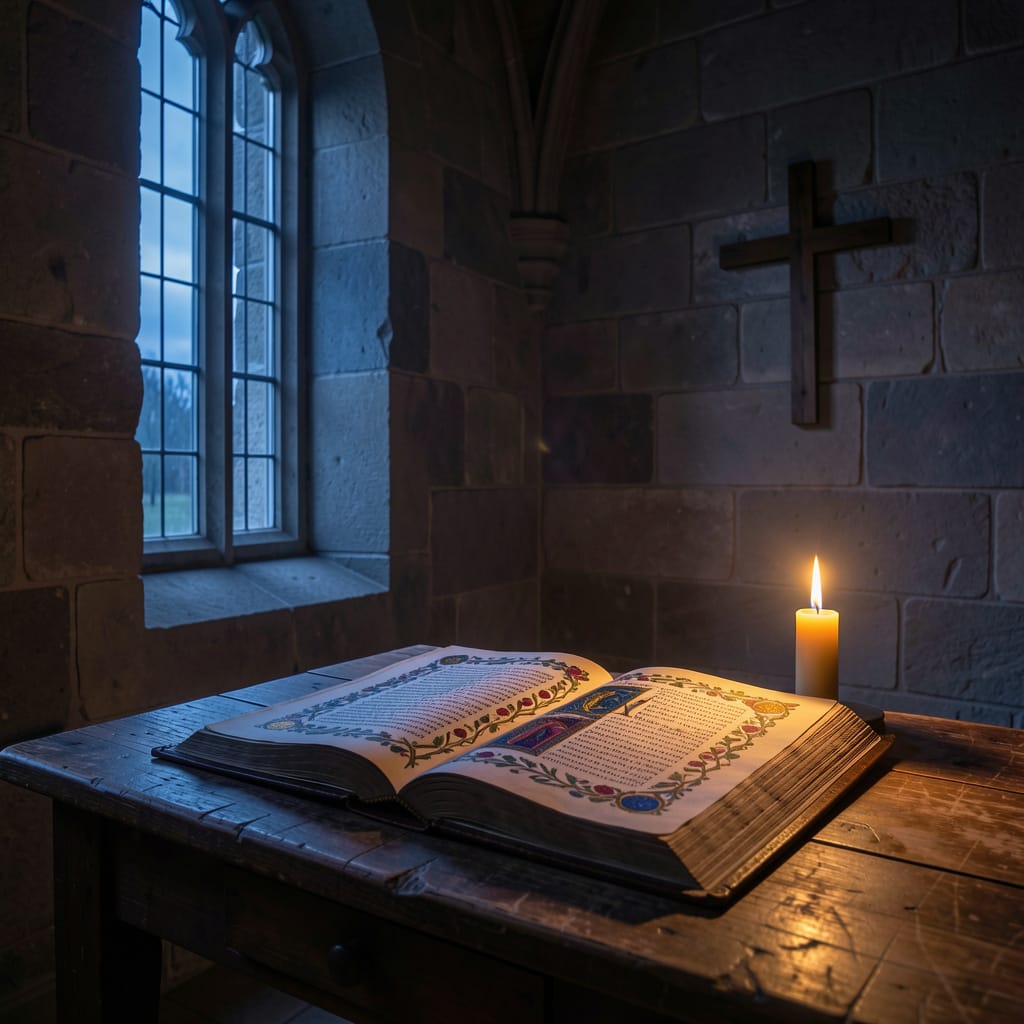
Gothic atmospheres have a certain comfort for the faithful. Dark light, stone corridors, rain against old glass, all of these things don’t contradict the gospel. They can even deepen it. Christ was born under a night sky. He suffered in darkness. The resurrection happened before dawn. Christianity has always known how to walk through shadows without losing hope. Ghost stories are just another way for you to practice that walk when you read them with the same steadyness. The light shines in the darkness and the darkness hasn’t overcome it. We listen, we feel the chill, we remember.
Why do we keep going back to them? Because they remind us the universe isn’t closed. Because they give us a language for longing and for loss. Because they let us practice courage in the face of the unknown. They’re fascinating because they make us look beyond the ghost and toward the greater God who holds both the living and the dead. The story tells us that our faith has room for mystery, beauty tinged with sorrow, and stories that don’t let the world stay just ordinary. The ghost story and the gospel have a quiet agreement at the end: there’s more than we can see, and it’s not empty of meaning.