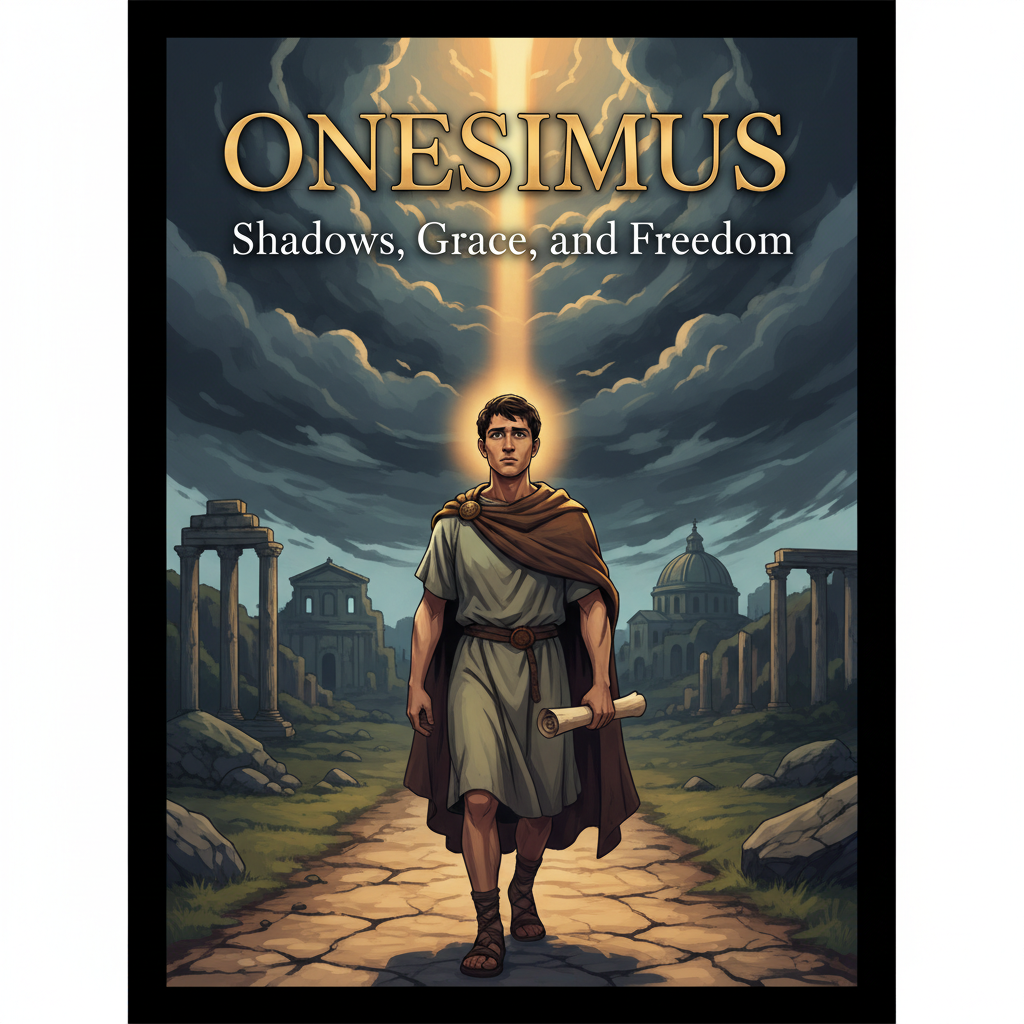
In the dim corners of the ancient world , where shadows stretched long across Roman roads and whispers of rebellion hung heavy in the air , there lived a man named Onesimus. He was the fugitive slave of Philemon , a story wrapped in the Gothic veil of desperation , forgiveness , and the radical light of Christ that pierces even the deepest darkness. This is not some dusty tale from a forgotten scroll. It is a living pulse of redemption , beating through the veins of a runaway who thought escape meant freedom but discovered true liberty only when he returned.
Picture the scene , if you will. The Roman Empire , with its iron grip and marble halls , cast a heavy gloom over those bound in service. Onesimus , carrying the weight of chains both visible and unseen , decided one day to break free. He fled from his master Philemon , slipping into the night like a ghost seeking refuge in the unknown. The world he entered was full of peril , filled with the kind of darkness that Gothic tales often linger upon , where every step could lead to capture or ruin. Yet in that very darkness , something divine stirred.
Onesimus crossed paths with the apostle Paul , himself locked away in a prison cell that felt more like a tomb than a holding place. There , in the cold stone embrace of captivity , the runaway slave encountered the gospel. It was not a gentle introduction but a thunderclap in the soul. Paul , writing later with words that carry both authority and tenderness , speaks of Onesimus as one who became useful , a name that once meant “profitable” now taking on new meaning in the kingdom of God. The transformation was profound , turning a fugitive into a brother.
Philemon , the master left behind , was a believer too. His home had likely been a gathering place for the early church , a beacon in the midst of pagan shadows. When Onesimus ran , it must have felt like betrayal , a fracture in the household that echoed the brokenness of a fallen world. But Paul steps in with a letter that reads like a bridge across that chasm. He appeals not with commands of law but with the compelling force of Christian love. “Receive him as you would receive me ,” Paul writes , urging Philemon to see beyond the slave status to the new creation standing before him.
This story drips with Gothic atmosphere , the kind where chains rattle in the night and forgiveness feels like a supernatural force breaking through fog. Onesimus , once worthless in the eyes of society , becomes invaluable in Christ. He returns not in defeat but in victory , carrying the light of the gospel back to the very place he fled. It challenges us to think about our own runaways , our own hidden fugitives , and how grace operates in the murky spaces of human relationships.
The letter to Philemon is short , yet it holds worlds within it. Paul could have demanded obedience under Roman law , but he chooses the path of appeal , rooted in the blood of Christ. “If he has wronged you at all or owes you anything , charge that to my account ,” he says. Those words carry the weight of substitution , echoing the cross where Jesus took our debts upon himself. In this Gothic retelling , we see the cross as the ultimate shadow that gives way to dawn.
Onesimus’s journey reminds us that no one is beyond redemption. The slave who ran into the night found himself in the arms of a Savior who specializes in turning lost causes into instruments of glory. Philemon faced a choice that many of us still face today , to cling to old grudges or embrace new brotherhood. The casual truth here is simple yet powerful: Christianity flips the script on power , status , and revenge. In a world that loves to cancel and condemn , this story whispers of restoration.
Let us linger a bit longer in the imagery. Imagine Onesimus traveling back , heart pounding with a mix of fear and hope , the Roman dust kicking up around his feet like specters of his past. The house of Philemon looms ahead , familiar yet transformed by the lens of faith. What conversations happened upon his return? We can only speculate , but the letter ensures that love prevailed. This is Gothic Christianity at its core , where horror of sin meets the beauty of grace , where bondage gives way to belonging.
The themes run deep. Slavery in the ancient sense meets the spiritual slavery we all endure before Christ. Onesimus fled physical chains only to find himself bound gladly to the Lord. Philemon learned that true mastery is found in serving Jesus. Together , their story paints a portrait of reconciliation that feels both ancient and immediate , casual in its everyday application but profound in its eternal impact.
As we reflect on this narrative , it calls us to examine the fugitives in our own lives , the relationships strained by wrongdoings , the people we might rather see run away forever. The gospel says come back , be received as family. It is a message wrapped in mystery and wonder , perfect for those who appreciate the darker tones of faith without losing the light.