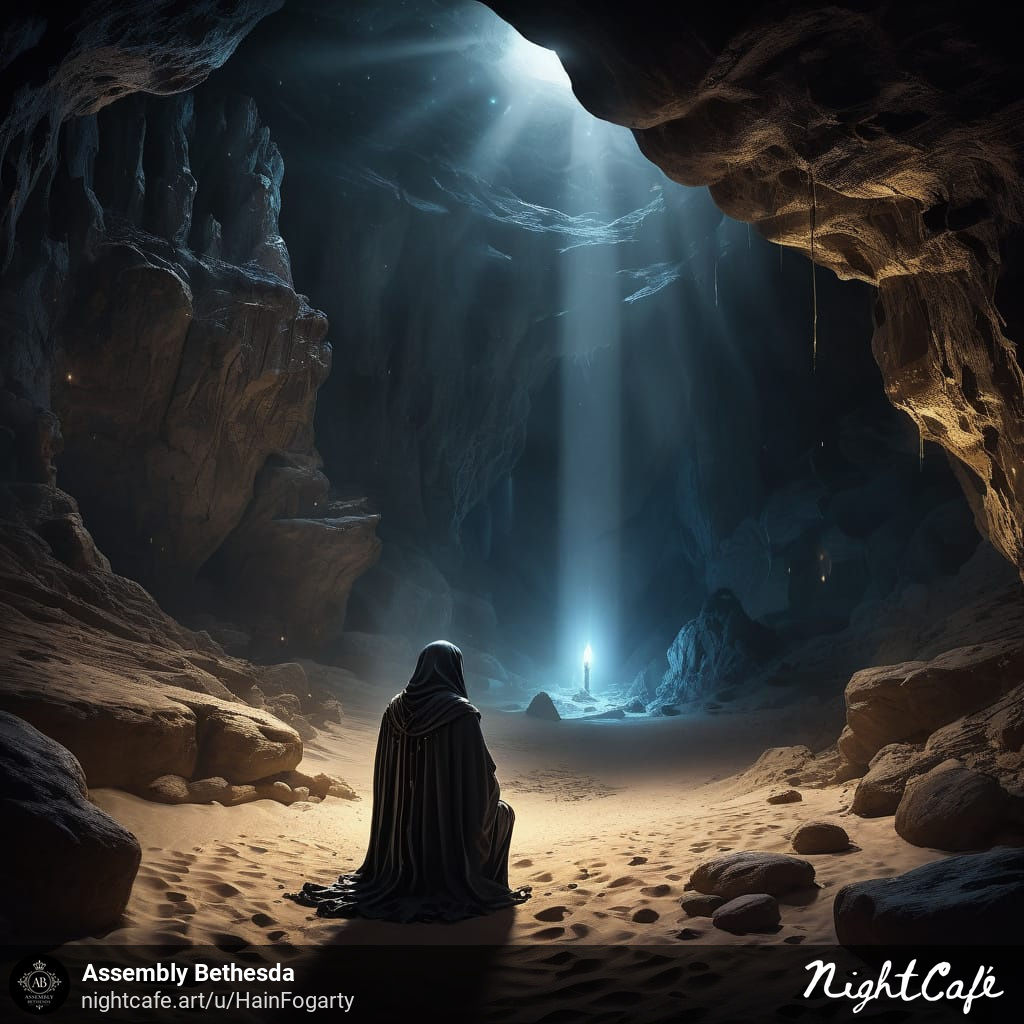
Imagine you’re deep in the desert under a starry sky, alone with your thoughts, and suddenly shadows start whispering temptations to you. Those were the saints who abandoned the crowds for solitude, often intensifying their prayer and struggles at night. They weren’t just hiding out, they were on the front lines of spiritual warfare, fighting demons, doubts, and internal chaos.
Those who turned night into their battlefield for the soul are St. Anthony the Great, St. Charbel Makhlouf, and others. Let’s dive into their stories, keeping it simple, no fancy jargon.
Basically, St. Anthony the Great started the hermit trend in the early church. He grew up comfortable in Egypt around 251 AD, but he heard a Bible verse about selling everything to follow Jesus, so he did. Anthony sold his stuff, gave the cash to the poor, and headed to the desert. But it wasn’t quiet there, especially at night. He holed up in old tombs and forts, where the darkness felt alive.
There were demons in wild forms, lions, snakes, and fake angels trying to trick him. There was a horde of beasts knocking Anthony out one night, beating him so hard he couldn’t move. But Anthony kept praying, calling on Jesus, and light broke through, scattering the attackers. In his mind, these battles were tests, a way to get closer to God by resisting evil. He eventually became a mentor to other hermits, giving them tips on fasting, praying, and staying vigilant. Throughout his life, he shows how solitude can be a powerhouse for spiritual growth.
Then there’s St. Charbel Makhlouf, a modern hermit from Lebanon in the 19th century. Born in 1828, Charbel was a shepherd kid before he decided to become a hermit. His days were simple, work, prayer, more prayer. But nights? That’s when the real action happens. He joined the Maronites, took vows, and eventually got permission to live as a hermit in a tiny mountain hut.
He battled demons head-on, levitated during prayer sessions, and even appeared in two places at the same time. Even though the devil tried to scare him with visions of hellish creatures, Charbel stuck to his routine of midnight vigils, fasting, silence. His mission was to save souls, so he offered his sufferings for others. It didn’t take long for his body to remain incorrupt even after he died on Christmas Eve 1898. The hermit doesn’t escape life, he’s diving deeper into the mystery, wrestling with darkness for the good of everyone.
Also, don’t forget St. Paul the Hermit. He lived in a cave with a palm tree for water and a spring for food as he fled persecution under Emperor Decius. Until St. Anthony visited him near the end, Paul lived there mostly alone. His nights were filled with prayer, but also temptations, the devil sending illusions of worldly pleasures to pull him back. He clung to Scripture and repeated psalms through the wee hours.
It’s said a raven brought Paul bread every day, a sign God was there for him. When Anthony found him, Paul was 113 and still sharp and faithful. Their meeting exemplifies how these nocturnal warriors supported each other, even from afar. Sometimes spiritual battles aren’t flashy, sometimes it’s just you, the night, and your faith.
St. Mary of Egypt flips the script a bit, a woman who went from a wild life in Alexandria to being a hermit queen in the Jordanian desert. She hit rock bottom, then had a conversion moment at the Holy Sepulchre in Jerusalem around the 5th century. She crossed the Jordan, lived on dates and herbs, and spent 47 years alone. Nights brought the worst temptations, memories of her past sins haunting her like ghosts. Demons tried to make her despair.
However, Mary prayed fervently, prostrating till dawn, asking God for mercy. The monk Zosimas found her later, hearing her story of redemption. She was able to walk on water and knew Scripture without reading it, all from those long nights. Anyone can turn things around, using the cover of darkness to rebuild from the inside out.
There were three things these saints shared: intense prayer vigils, fasting that sharpened their focus, and a no-quit attitude. Night was the prime time for connection with God, when distractions faded and real work began. Demons weren’t just metaphors, they were real foes testing their faith, pride, everything. They won by being humble and asking for divine help.
Maybe we can’t hit the desert today, but we can cut screen time for some quiet reflection, face our own “demons” like stress or bad habits.
In addition to that, think about how these hermits made a difference in the Church. Anthony’s followers started monasteries that blended solitude with community. Charbel’s devotion sparked a revival in Lebanon during hard times. Athanasius wrote Anthony’s bio, spreading the word far. Their battles weren’t private, they rippled out, inspiring art, writings, and festivals. Night, which is usually seen as scary, became their ally in holiness.
As a final word, the saints of the night show us resilience in the darkest hours. Spiritual warfare can be won with faith, whether it’s Anthony’s tomb ordeals, Charbel’s mountain standoffs, or Mary’s desert redemption. If sleep won’t come at midnight next time, channel some of their spirit, turn it into a moment of strength. These hermits prove that the quietest places can win.