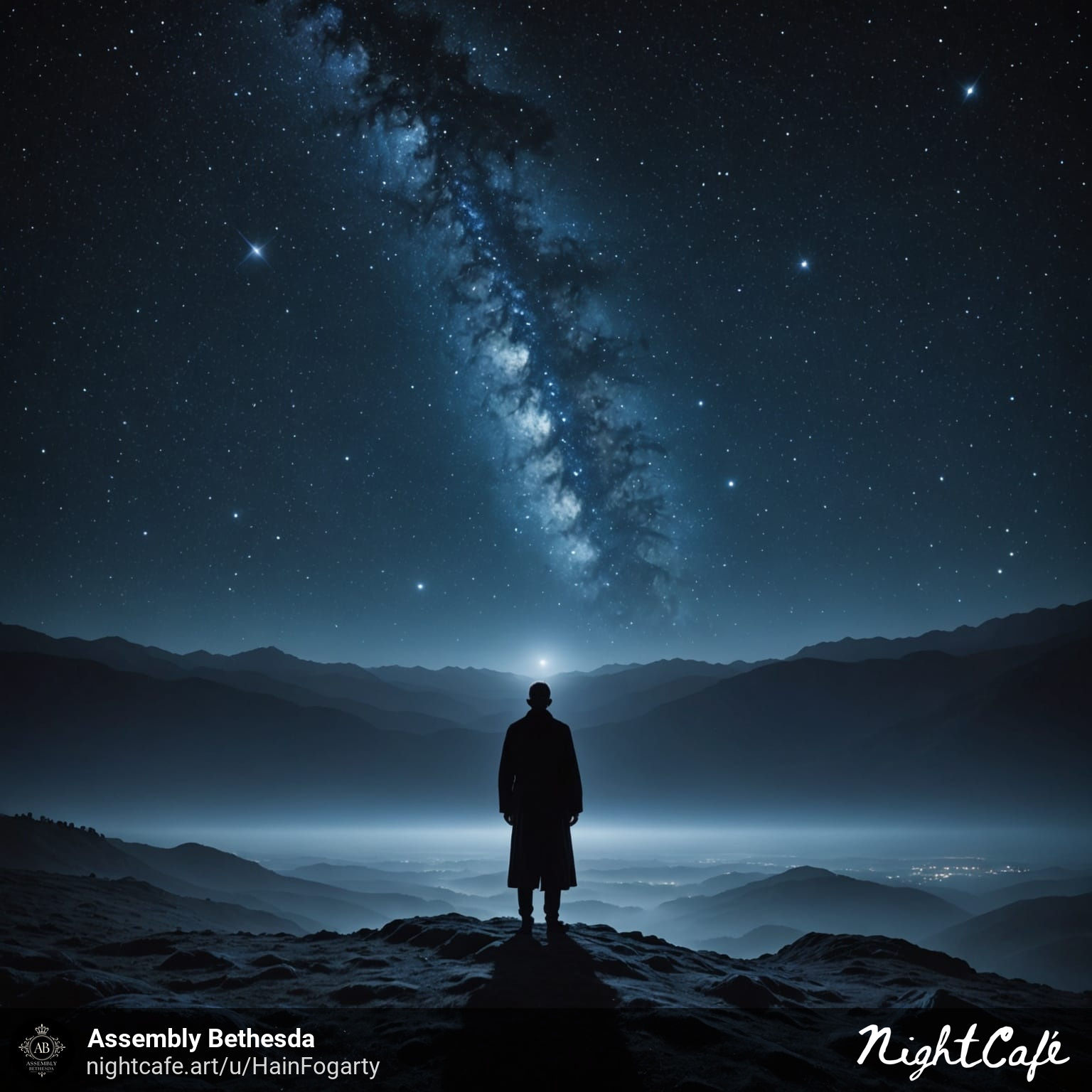
In Christian spirituality, velvet darkness invites us to embrace the unknown, the quiet, enveloping mystery of our relationship to God. It’s not about fearing the shadows or chasing endless answers, but finding comfort where clarity fades and trust takes over. In ancient Christian tradition, darkness wasn’t just an absence, but an opportunity for God to meet us.
Throughout Christian history, mystery has always been central. There are many moments in the Bible where God reveals Himself to us through what we can’t comprehend: the Trinity, the Incarnation, grace in broken lives. Velvet Darkness captures that sense of softness in the unknowing, like a thick, luxurious fabric wrapping around us in the dark, gentle yet deep. We don’t conquer it with logic alone, we embrace it with open arms. It’s the opposite of harsh emptiness, it’s a darkness that feels almost tender, inviting us to rest instead of fight.
Think about how Scripture speaks of God dwelling in thick darkness. When Moses meets God on the mountain in the Old Testament, there’s cloud and gloom, but that’s where His presence is strongest. Throughout the New Testament, Paul talks about knowing in part and seeing dimly, like through a mirror. These aren’t faults in faith, they’re invitations to humility. We live in a society obsessed with certainty, quick fixes, and explanations for everything. Real spiritual growth happens when we stop demanding full light and learn to sit comfortably in the dark.
This ties close to the tradition of apophatic theology, sometimes called the way of negation. It’s about describing God by saying what He isn’t: not limited, not fully comprehensible, not bound by our categories. Mystics like Pseudo-Dionysius talked about approaching God through “brilliant darkness” or “dazzling obscurity.” The less we define and control, the closer we get to the real God who transcends our words. It’s like walking into a room lit by only one candle, the shadows making everything more vivid.
The famous “dark night of the soul,” described by St. John of the Cross, isn’t just any tough time, it’s a purifying phase where ordinary comforts, even spiritual ones, get stripped away. Sensations dry up, prayers feel empty, God seems distant. John says this darkness is God’s work, purging attachments so that the soul can connect with Him more naturally. We might feel abandoned, but we’re really being drawn into intimacy beyond feelings. We might feel the night is cold or punishing, but it’s actually protective, like a soft cloak shielding us.
Embracing this mystery means changing how we approach faith every day. Instead of always looking for the next breakthrough or emotional high, we can learn to rest in the unknown. We can practice contemplative prayer here, sitting quietly without agenda and letting silence speak. While waiting on God in the quiet dark, we don’t have to empty our minds forcefully. By slowly chewing on Scripture without rushing to analyze, you create space for mystery to unfold.
Accepting unanswered questions about suffering, purpose, or why certain prayers linger looks like this in everyday life. Instead of forcing resolutions, we can say, “I don’t know, and that’s okay because God does.” It’s a good way to be patient with ourselves and others, since nobody knows it all. When we’re going through tough times and the light doesn’t seem like it’s there, we remember darkness can be a friend, not an enemy.
It doesn’t mean abandoning reason or doctrine. Christianity has clear truths: God is love, Jesus died and rose, salvation is through Him. But there’s also a lot of wonder around those anchors. Mystery keeps faith alive and keeps it from becoming rigid or predictable. It reminds us God is bigger than our systems, always surprising, always drawing us closer.
In Velvet Darkness, we’re taught to trust the God who created light and darkness. In Genesis, God separates them and calls them both good. Night offers rest, reflection, and renewal. The velvet darkness means finding beauty in the pause, strength in surrender, and presence in apparent absence. It’s where faith matures from head knowledge to heart trust, from striving to abiding.
When we stop running from the shadows and let them wrap around us like velvet, we discover God was there all along, closer in the quiet than in the noise. Mystery isn’t a problem to solve, it’s a Person to love. In that embrace, we find peace we can’t get from explanations.