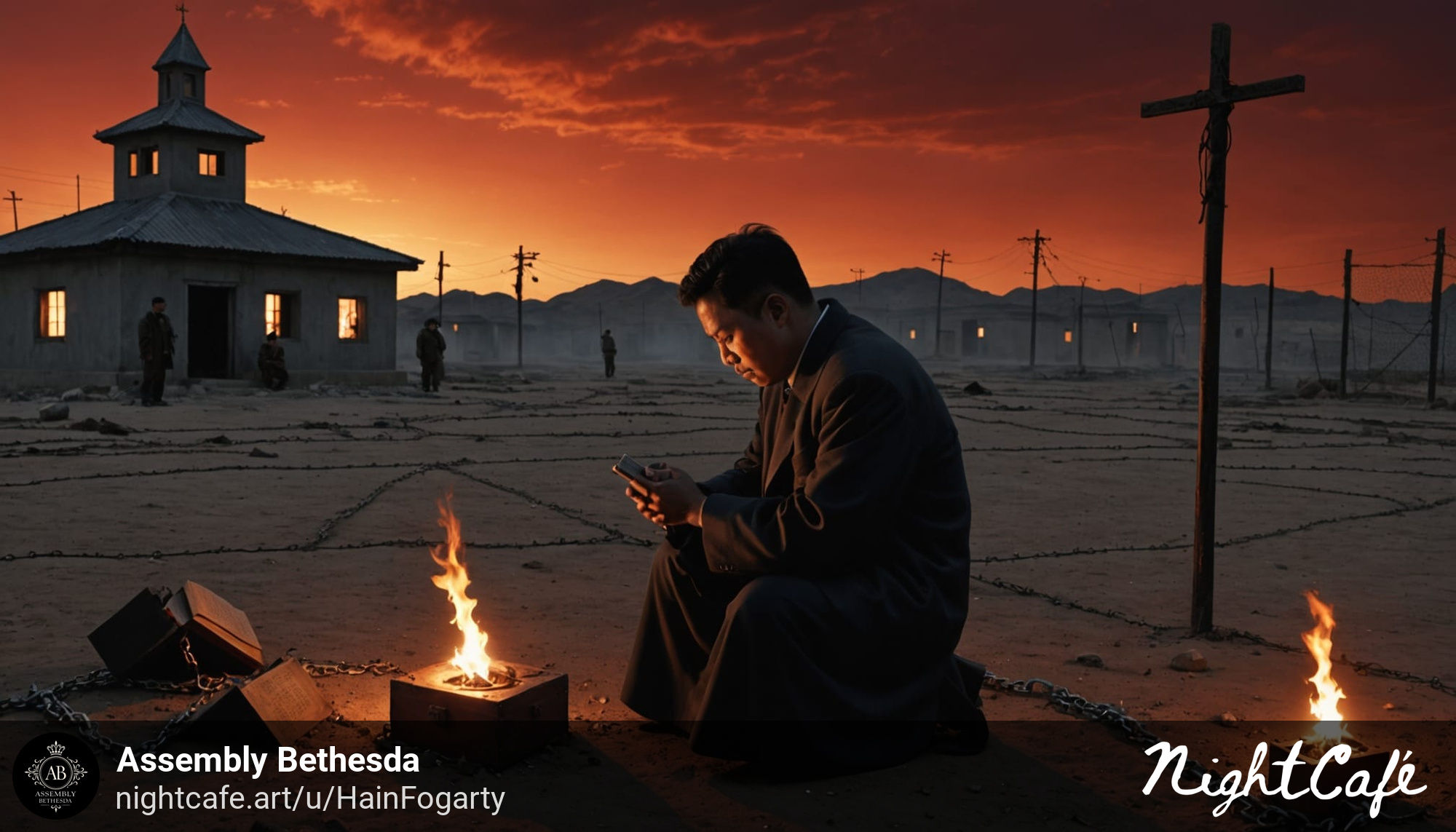
The Top 5 Worst Nations for Christian Persecution in 2025: A Deep Dive
Based on the intensity of persecution Christians suffer, the 2025 Open Doors World Watch List outlines the challenges Christians face around the world. Based on data spanning October 2023 to September 2024, this list categorizes persecution into extreme and very high levels, based on pressures in private, family, community, national, and church life, along with violence metrics.
The top five offenders, all classified as extreme, exemplify state-sponsored oppression, militant extremism, and societal rejection. These nations include North Korea, Somalia, Yemen, Libya, and Sudan. In this blog post, we explore the sources of persecution, daily pressures, violent incidents, and the wider implications for believers. As millions navigate faith amid hostility, it’s crucial to understand these dynamics.
-
North Korea: The Pinnacle of Oppression
In North Korea, Christianity is viewed as a Western ideological threat because of its extreme persecution rooted in communist and post-communist ideology. The government enforces draconian laws against any unsanctioned religious activity, like owning a Bible or discussing faith, resulting in dire consequences like public executions or lifelong sentences in political labor camps that often ensnare entire families across generations.
There’s no open church activity, and there’s a pervasive surveillance system that stops clandestine meetings. In addition to widespread arrests, brutal interrogations, and high execution rates, pressure permeates all spheres of life. Society’s informant culture fosters paranoia, making interpersonal trust scarce, while refugees repatriated from abroad face rigorous scrutiny for Christian exposure, leading to torture or death.
With recent anti-reactionary legislation, even subtle suspicions are now causing sweeping investigations and communal repercussions. Despite keeping their beliefs secret, Christians still face a constant threat of betrayal, often at night or in isolated places. The environment not only stifles spiritual growth but also perpetuates a cycle of fear, where kids are indoctrinated against religion from an early age, so it’s impossible to pass faith down from generation to generation.
Media and education are under regime control, which portrays Christianity as subversive and engenders hostility. However, underground networks persist through smuggled materials, despite these barriers. An estimated 400,000 believers are threatened by North Korea’s totalitarian model of state ideology.
-
Somalia: Militant Extremism’s Grip
In Somalia, extreme persecution emanates from Islamic oppression spearheaded by Al-Shabaab militants, who impose stringent Sharia law with the explicit goal of eradicating Christianity nationwide. Apostasy is perceived as profound disloyalty, so converts from Islam face deadly threats from their families, clans, and neighbors. There are no public expressions of Christianity, and private practices invite militants.
There’s a lot of pressure on family and church domains, with assassinations, kidnappings, forced unions for women, and harassment in insurgent-dominated areas.
The al-Shabaab’s territorial dominance means they can execute suspected adherents immediately, giving priority to church leaders. Isolation and susceptibility are exacerbated by confinement to homes, constant oversight, and community informant systems. Through covert operatives and spies, militants are able to get into government-controlled areas, making it dangerous to have Christian artifacts or international contacts.
It’s harder for female converts, because Sharia requires them to follow Islamic dress codes. Because of this pervasive atmosphere, believers live nomadic or in exile, which disrupts community bonds and resources. Despite federal protections on paper, enforcement falters amid instability, letting extremists operate unchecked. Education and employment opportunities dwindle for known Christians, as societal stigma brands them as outsiders.
Family rejections are intensified by a blend of clan loyalty and religious zeal, resulting in disownment or violence. Christian minorities suffer from humanitarian crises disproportionately due to drought and conflict, as well as aid discrimination. Al-Shabaab’s propaganda paints Christianity as a colonial remnant, fueling attacks and recruitment.
Yet, resilient underground fellowships emerge, relying on oral traditions and discreet aid from abroad, though such efforts invite reprisals as well. Somalia’s case shows how non-state actors can dominate religious landscapes, putting thousands of believers at risk.
-
Yemen: War-Torn Religious Intolerance
Yemen’s extreme persecution intensifies amid civil strife, driven by Islamic oppression from Houthi insurgents, al-Qaeda branches, and allied factions all upholding Sharia without giving dissent any concessions. As a majority of converts, Christians tighten surveillance, detain people, and kill them without any legal protection or places to worship openly. Pressure engulfs all aspects of life, from personal convictions to family ties.
There’s homicide, eviction, and bias in aid allocation, and tribal norms penalize apostasy with expulsion and death. Owning Scriptures puts you at risk, as tribal and extremist pressures shut down house churches and escalate scrutiny. Non-Muslims get left out of relief efforts in devastated areas. Houthi advances, backed by external support, impose harsher Islamic governance in seized territory.
Al-Qaeda elements in the south hunt presumed converts, while the war isolates Christians from essentials and support structures. During conflicts, believers can be used as convenient scapegoats, with documented abductions for extortion. Christians struggle for livelihoods in the face of discrimination and economic collapse, amplifying vulnerabilities.
A tribal council enforces honor codes that make families reject or hurt converts. Humanitarian blockades in besieged areas make faith communities starve. Despite ceasefires, radical ideologies persist, demonizing non-Islamic faiths in the media and education. By using coded communications and sporadic gatherings, underground believers adapt, but there’s a risk of infiltration.
As Yemen’s war and extremism intersect, religious discrimination is amplified, affecting a tiny Christian minority in a nation racked by proxy wars.
-
Libya: Chaos and Targeted Hostility
In its post-conflict disarray, Libya ranks fourth for extreme persecution, where Islamist radicals and criminal syndicates kidnap, bond, and kill Christians, especially sub-Saharan migrants. While local converts face intense ostracism, expatriates face checkpoints. Pressure dominates life spheres, making church functions hard to perform.
Evangelists get detained, inhumanely confined, and assaulted, reflecting the nation’s ungoverned state. Extremists and smugglers profit from disorder, forcing captives into labor service or ransom. In places where religious symbols trigger aggression, foreigners face perils. Until there’s centralized authority, groups like the Islamic State run prisons where people are tortured and killed.
Native apostates risk familial honor slayings sans judicial remedy. Migrant faithful in Libya are subject to commodification by traffickers, who mix religious bias with racial and economic exploitation. Various militias enforce different Sharia interpretations, banning public faith displays. Kidnappings are driven by economic incentive, with Christians seen as lucrative targets. Societies shaped by conservative Islam marginalize minorities, preventing them from getting jobs and education.
Refugee vulnerability is heightened by border insecurities, as Europeans return home and reveal past faith contacts. Despite nominal constitutional freedoms, implementation fails amid rivalries. Believers turn to virtual networks for nourishment, but connectivity problems persist. As a result of Libya’s fragmentation, Christians are both transient and resident, causing unchecked persecution.
-
Sudan: Conflict-Fueled Extremism
During Sudan’s civil war, radicals on opposing sides assail Christians within ethnic-religious divisions, causing Islamic oppression. People are being seized, killed, and denied aid, while structures like churches face demolition. Converts face disdain from families. Violence peaks, including mass church destructions and displacements affecting millions.
Churches have been ravaged in battle, unprotected by either side. Converts are sent to exile or worse fates from family members, while aid favors others in disputed zones. The feud between Rapid Support Forces and armed forces has spawned the globe’s largest displacement, surpassing 11 million, including ethnic purges in Darfur targeting Christians. In anarchic conditions, extremists can apply Sharia, incinerating Christian settlements.
According to reports, faith groups are being denied food and healthcare, and there’s a lot of kidnappings for conversion and marriage. As a result of political instability, legal protections erode, making attackers more powerful. Muslim supremacy is promoted in education curricula, indoctrinating youth against pluralism. Tribal alliances intertwine with religious fervor, amplifying community pressures.
Despite truces, underlying tensions sustain hostility. Underground churches adapt by mobile ministries, but mobility risks abound. Sudan’s turmoil reveals how wars exacerbate religious divides, putting a significant Christian population in danger. International intervention is needed in these top five nations because of their patterns of repression, from ideological dictatorships to militant insurgencies.
Conclusion: A Call to Awareness and Solidarity
North Korea, Somalia, Yemen, Libya, and Sudan are the top five nations on the Open Doors World Watch List for 2025. They’re grim nations where Christians are being persecuted by distinct yet overlapping forces: totalitarian state control, militant Islamic extremism, and long-term conflict.
Through surveillance, executions, and generational punishment, North Korean communist ideology erodes religious freedom, forcing believers to live in isolation. Al-Shabaab militants in Somalia are enforcing deadly apostasy penalties by weaponizing family, clan, and community ties. As Yemen’s civil war worsens, al-Qaeda and Houthi factions track, detain, and kill converts.
The lawless environment in Libya lets militants and traffickers take advantage of migrants and local Christians alike. In Sudan, ongoing clashes fuel extremist attacks that destroy churches, displace millions, and deny aid, turning ethnic-religious tensions into systematic oppression.
Together, these countries demonstrate how ideological absolutism, radical interpretations of Sharia, and war make open faith practice nearly impossible, forcing Christian communities underground and putting them through constant fear, loss, and survival struggles. Not only do hidden believers face physical threats, they’re also separated from fellowship and spiritual help.
After 2025, religious freedom will still be severely restricted for millions of people. We need to keep advocating around the world, pressure diplomatically, and give practical support to persecuted churches to alleviate suffering and uphold the universal right to believe. Through solidarity, informed action, and compassionate aid, those facing these extreme trials every day can find hope and strength.
!Link to World Watch List!