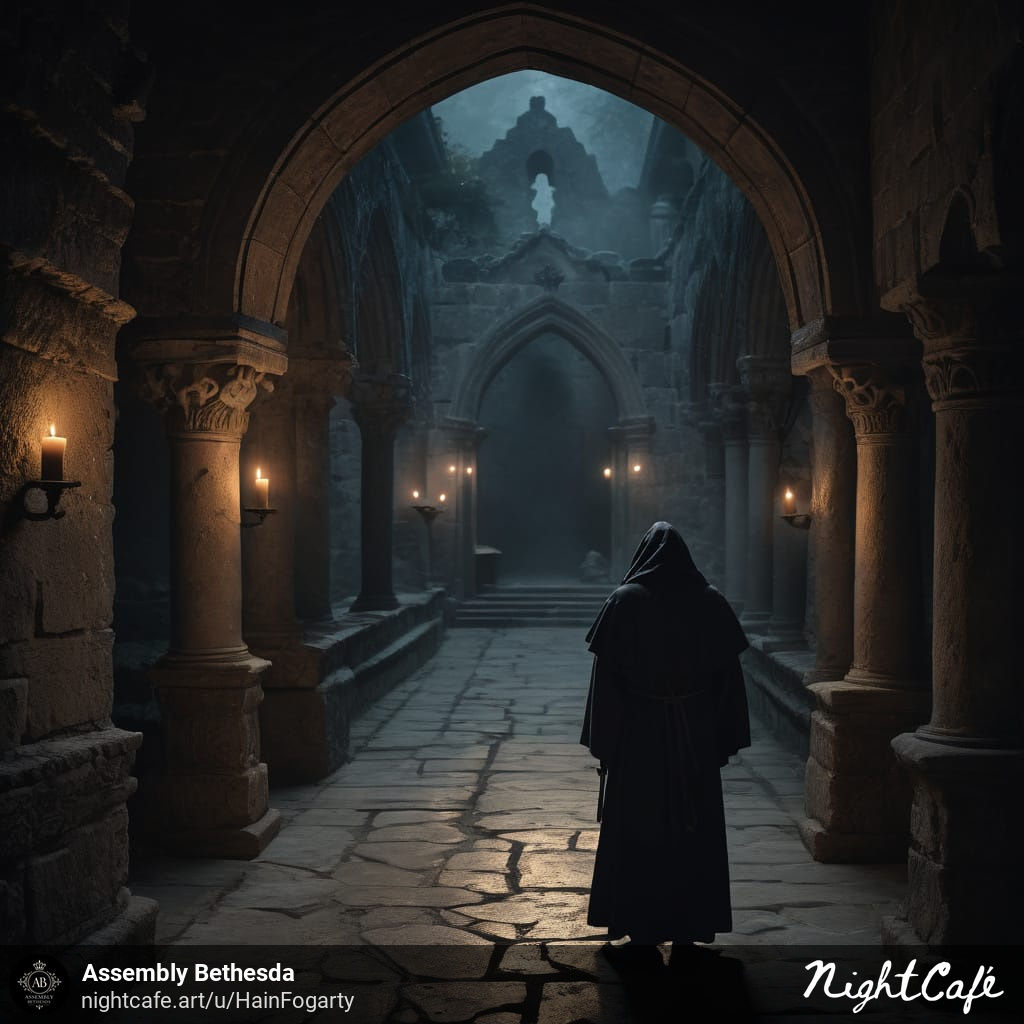
In the quiet hours when most people sleep, monks rise for a practice that has shaped monastic life for centuries, midnight prayer, often called Vigils or the Night Office. This moment stands out in the cloister, a place of enclosed walls where monks live separated from the world. A monk steps into deep silence at midnight, facing inner stillness and unseen battles.
During this time, you’re not just reciting prayers, you’re engaging in spiritual warfare, going up against distractions, temptations, and the pull of darkness.
Desert fathers in Egypt used to pray at midnight, taking inspiration from Psalm 119, which says, “at midnight I rose to praise.” The night was seen as a time when spiritual forces were active. Paul and Silas prayed in prison at midnight, and their hymns brought change. Monks followed this rhythm, making the darkest hours more pleasant.
In the Rule of St. Benedict, Vigils are the first gathering of the day, starting around 2 or 3 a.m., though some traditions place it closer to midnight. Benedict calls monks to be vigilant, to watch, because idleness is the enemy of the soul. In the dim light of the chapel, psalms, Scripture readings, and reflections from church fathers are chanted or recited during the night office.
There’s a lot of solitude in Vigils. While Vigils are communal, monks sing in choir, but also enter a personal solitude. This is reinforced by the silence in the cloister after Compline, the night prayer. In order to let others rest and to foster inner focus, Benedict stresses silence, especially at night. The monk’s cell, his tiny room, becomes a place to pray privately, away from the daytime noise. In this quiet, he’s alone with God.
In community, the monk cultivates an inner cloister where solitude meets the divine. In solitude, the monk notices thoughts that surface, fears that creep in, and subtle ways the mind wanders.
As monks, we know the night brings challenges. Darkness symbolizes the unknown, which makes temptations feel stronger. It’s said that demons are active at night, testing resolve through doubts, memories of past sins, or bodily discomfort. Vigilance means staying aware of these things. A monk fights with prayer, psalmody, and attention to God, not guns.
When you sing psalms, your mind is filled with Scripture, which pushes out negative thoughts. Readings remind you about God’s promises and saints who endured trials. A small victory against laziness or the body’s desire for rest is the act of waking up from sleep.
It’s not dramatic or loud in the cloister. It’s a battle. The monk might feel sleepy during long psalms, or a distracting thought arises during silence. These are battles. By persevering, the monk trains his will. Solitude helps because it removes escapes. There’s no phone, no conversation, no busywork, so the monk faces himself and admits his shortcomings to God. This purifies his heart.
The midnight prayer strengthens your spiritual muscles. What starts off as an effort becomes a rhythm that aligns your soul with God’s.
It’s the way Benedict sets out Vigils. He has 12 psalms with antiphons and readings divided into nocturns. The monk listens to Scriptures during quiet time. This lectio divina, sacred reading, feeds the spirit. The monk reflects on passages about light in darkness or God’s protection. Prayers flow from this time for the world, for the church, for those suffering. He stands in the gap when others sleep, interceding in solitude.
It’s not isolation in the cloister, it’s communion with God and, through Him, with others. At midnight, the monk’s prayer reaches beyond walls, supporting the church, and the world. Monks live apart so they can pray for everyone, and their warfare is on everyone’s behalf. In facing personal temptations, they get insight into struggles others face. Their perseverance inspires, even if it’s unseen.
The midnight prayer teaches patience. Nights are long, psalms repeat, the body aches from cold or standing. Yet the monk keeps going. It’s a mirror of life’s trials. Spiritual growth comes through steady work, not quick highs. The cloister routine builds discipline. It’s part of ora et labora, prayer and work. After Vigils, the monk rests, then rises again for Lauds in the morning.
Today, this practice seems distant. Busy schedules make midnight rising hard. But the spirit applies. Everyone can take time to pray, especially in the darkness. Night offers fewer distractions, so a short vigil, reading psalms or sitting quietly, invites God’s presence. Spiritual warfare happens every day through thoughts, choices, relationships. Even for a few minutes, solitude can help you notice these battles and respond with faith.
During midnight prayer, the monk watches, prays, fights, and rests in God. This rhythm has sustained monastic life for centuries. It reminds us that darkness isn’t empty. It is a place where God meets the soul, where prayer turns weakness into strength, and where solitude gives you victory. Monks get up at midnight not just out of duty, but out of love, trusting that God is watching over them.