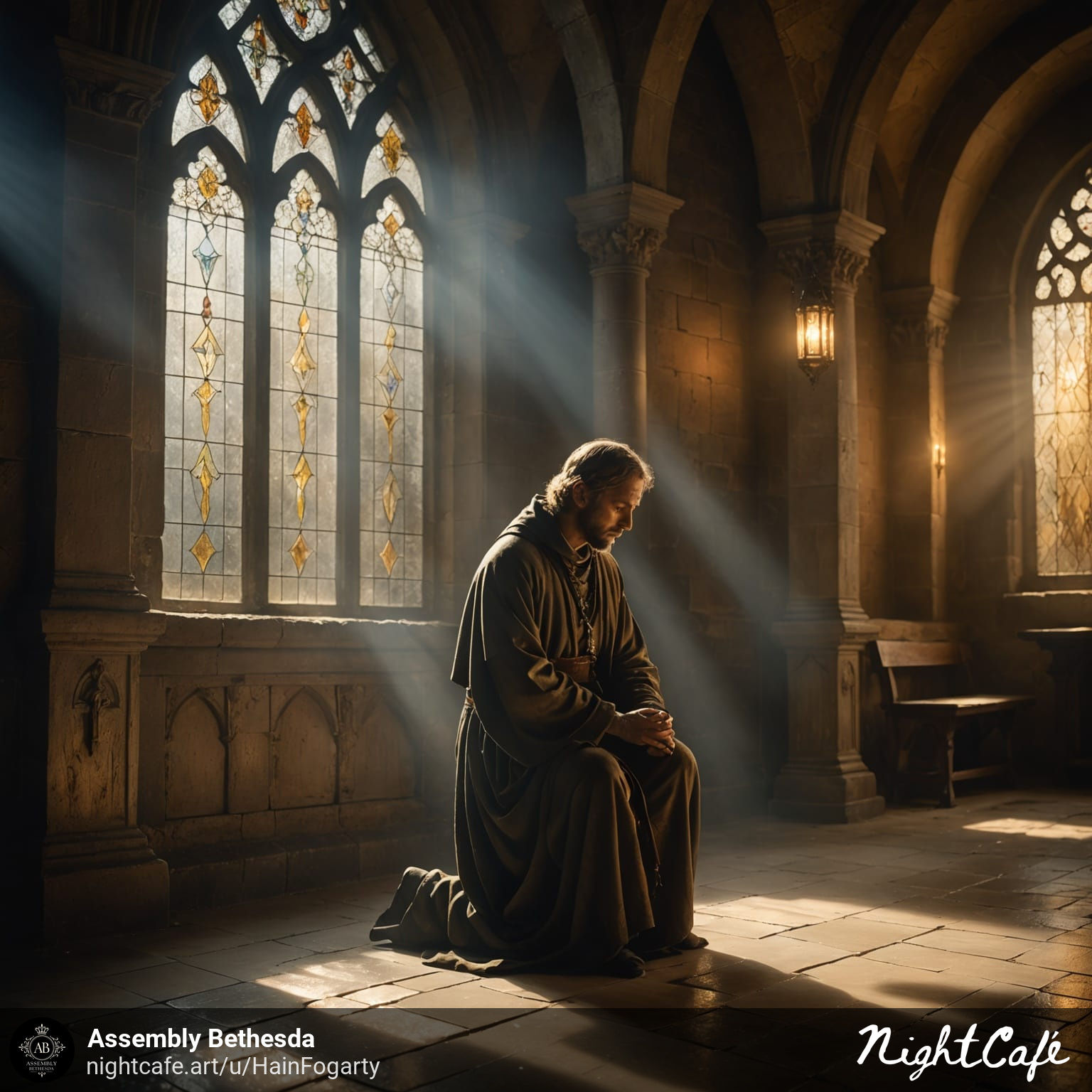
Greetings, let’s talk about something deep but not too stuffy, holy melancholy and this thing called tears. You know, in spiritual circles, especially within Christianity, there’s this idea that feeling a little down, but in a sacred way, can actually be a good thing. Instead of pulling you into despair, it’s like a gentle pull towards something bigger.
It’s not about feeling miserable because you don’t have anything better to do, it’s that quiet ache in your soul that reminds you that you are connected to God, or the universe, or whatever higher power you relate to. And the gift of tears? During prayer, reflection, or even just a moment of quiet, those emotions bubble up and spill out as actual tears. It’s a sign that your heart is softening, that you’re accepting grace.
Let’s say you’re sitting in a quiet place, like in a church or your backyard, and you suddenly shed a few tears without warning. Not because something bad happened, but because you’re overwhelmed by beauty, regret, or love. The saints and mystics have talked about it like it’s a special gift from the gods. Saint Ignatius of Loyola, for example, wrote that tears were a consolation, a way the spirit communicates during spiritual exercises. That’s the gift in action.
It’s not forced, it just happens when you’re tuned in. Saint Teresa of Vila described tears as watering the soul’s garden, helping faith grow. The idea might seem odd in a world where everyone’s all about positivity and hustle, but holy melancholy is about getting back to ourselves, feeling our humanity, and finding peace in it.
Why call it holy?
This isn’t just random sadness, it’s a purposeful sadness. It’s about longing for eternity, for wholeness beyond this messy life. God collects our tears in a bottle, and he values them in Psalms. The divine feels deep emotions too, like Jesus weeping over Jerusalem. But this melancholy isn’t depression, it’s laced with hope.
Tears stir compassion, make you more empathic. Ever felt that pang when you see injustice or beauty? That’s a taste of it. Tears turn inner stirrings into outward expression, cleansing your heart.
Historically, this concept pops up in monastic traditions. Monks in the desert fathers’ era, like Evagrius Ponticus, spoke of “penthos,” which is godly sorrow leading to repentance. The Jesus Prayer often brings tears in Eastern Orthodoxy, a repetitive call for mercy that softens the spirit. It’s not about beating yourself up, just acknowledging your flaws in a loving way.
Western mystics like John of the Cross talk about the “dark night of the soul,” where melancholy strips away illusions, paving the way for union with God. But let’s be real, you don’t have to be a monk to feel this way. Through meditation, reading sacred texts, and spending time in nature, you can tap into it.
Let’s say you start your day with a quiet moment, letting whatever emotions rise without judgement. If tears come, great, if not, that’s fine too. Holy melancholy reminds us that not all sadness is bad, it can be transformative, like rain nourishing dry ground. It’s not something you chase, it’s something you receive. Artists and poets often draw from this well of sacred sadness to make beautiful stuff. As the Sufi poet Rumi wrote, longing is a path to the beloved. It’s universal, crossing religious lines, but rooted in Christian spirituality.
One cool thing is how tears physiologically benefit us. Science shows crying releases stress hormones, eases tension. Spiritually, it’s a bridge between human and divine. In liturgy, like during Lent, melancholy is encouraged, a time for reflection and tears of contrition. But it’s not seasonal, it can happen anytime. Have you ever been moved to tears by music or art? That’s a secular echo of the gift. Prayer deepens intimacy with the divine, like sharing a vulnerable moment with a friend.
There are challenges, though. Some might think it’s clinical depression, but the key difference is holy melancholy leads to joy, not stuckness. Get help if it lingers too long without hope, balance is key. In order to cultivate it, one has to admit we’re not perfect. Practices like exams, reviewing your day with gratitude and sorrow for shortcomings, can inspire it. Fasting, which makes you more sensitive. Nature walks, seeing the beauty and fragility of creation, can also stir it up.
In relationships, this gift fosters deeper connections. When you let tears, it shows authenticity, leading others to open up. In community worship, tears build bonds. It’s cathartic, healing. But remember it’s not performative, genuine tears come unbidden.
As we go deeper, holy melancholy links up with acedia, the noonday demon, but makes it positive. Instead of listlessness, it’s motivated longing. Mystics say it’s a taste of heaven, where tears are wiped away, but here, they prepare us for it. Revelation promises no more tears in the end, but until then, they’re worth it.
It’s a charism, a gift from the Holy Spirit, listed in some traditions alongside others like prophecy, which aligns with emotional intelligence.
Holy melancholy and the gift of tears are invitations to embrace our full humanity in light of the divine. They soften us, draw us closer to mystery, and ultimately, to joy. In a fast-paced world, pausing for sacred sadness can be revolutionary, reminding us of what’s eternal.
Let’s dive deeper. The Beatitudes promise comfort to people who are mourning. It’s counterculture, valuing vulnerability. Prophets like Jeremiah were known as weeping prophets, their tears showing God’s love for people. In the New Testament, Paul’s sorrow over sin led to growth. Tears mark turning points, like Peter’s after denying Jesus.
In Catholicism, tears are associated with saints like Catherine of Siena, who cried rivers in ecstasy. Protestants might see it with revivalists like John Wesley, who cried during conversion. Orthodox Christians emphasize compunction, a piercing of the heart.
The best way to invite this is to create space. Silence, away from screens, opens up feelings. Journaling emotions without analyzing them can help. Contemplative prayer can open up tears.
The benefits are endless. It increases gratitude, as sorrow emphasizes blessings. Builds resilience, teaching that emotions pass. Spiritually, it’s a sign of progress, a sign that the soul is awakening.
A lot of people have misconceptions about surrender. Some think it’s just for the super-religious, but it’s for anyone open. Others think it’s weakness, but it’s strength.
Weeping Madonnas, requiems, literature about soulful longing. This theme is timeless and speaks to everyone.
Embrace holy melancholy gently, let it flow, and watch how it enriches your life. It’s the gift of tears that washes away dust, revealing clarity.