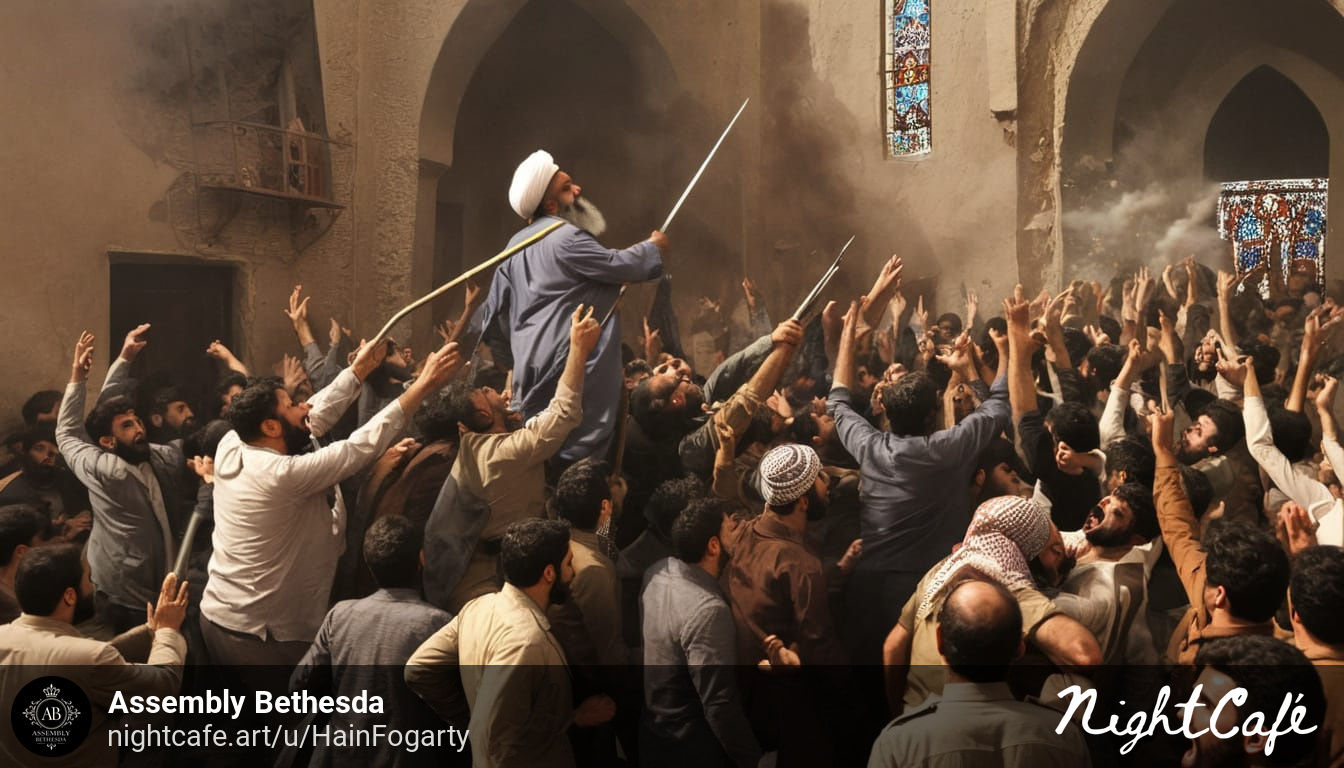
Iran’s Revolutionary Court handed down heavy prison terms totaling over 50 years to five Iranian Christians connected to underground house churches in late 2025. It was a conviction against ordinary faith acts like praying together, baptizing believers, sharing Communion, celebrating Christmas, and distributing Bibles. A crackdown on converts and independent worshippers is intensifying, according to groups like Article 18 and International Christian Concern.
Among them are Iranian-Armenian pastor Joseph Shahbazian, Lida Alexani, Nasser Navard Gol-Tapeh, Aida Najaflou, and another woman whose name isn’t divulged. The judge, known for tough security rulings, presided over the case. Most got 10 years under amended laws punishing “propaganda” and “gathering and collusion,” with some getting extra time. Lida got eight years.
Both Joseph and Nasser had previous imprisonments for similar involvement in house churches. Authorities pardoned and released them earlier, Nasser in 2022 after nearly five years, Joseph in 2023 after over a year. Yet intelligence agents re-arrested them in February 2025, along with Aida. Lida joined later in April. They endured months in Evin Prison before hearings in September and October. In November and December, they got verbal verdicts.
The indictment drew on a 2010 speech by Supreme Leader Ali Khamenei warning against house churches as threats. It equated Protestantism with “Zionist Christianity,” accusing defendants of foreign links. Prosecutors highlighted Joseph’s pride in sharing the Gospel and Nasser’s Bible distribution as “crimes.” The Ministry of Intelligence reviewed personal items, including Scriptures.
Aida’s family faced around $130,000 bail and Nasser’s nearly $250,000, both record highs for Christian cases. Joseph’s family got misleading info, with no official bail set. According to Article 18, there’s no due process, long detentions, and sky-high bails.
Aida, 44, has rheumatoid arthritis and had spinal surgery before she got arrested. She fell from a top bunk in Evin on October 31, fracturing her T12 vertebra. The official ignored her warnings about climbing. The next day, she got an X-ray, but she got back in prison without full care, even though she was in pain. She got surgery, but an infection sent her back to the hospital in November. A lawyer posted publicly about tears shed visiting her, pleading for help.
During a hunger strike protesting re-arrest, Nasser suffered a stroke. Joseph suffered health complications as well.
There’s a big gap between Iranians and Armenians, where only Armenians and Assyrians get recognition. Converts from Islam face apostasy risks here, but they’re not formally charged. Persian speakers don’t have approved venues, so gatherings are underground. People find faith this way, sharing quietly in their homes, despite dangers.
Hundreds of Christians have been jailed on faith-related charges since 2025. At least nine got 10 years or more. Dozens remain behind bars. The US State Department condemned the sentencing, saying no one should face incarceration because of their faith.
The defendants have 20 days to appeal, but to the same court. Communities pray in secret, families wait anxiously. Stories like these highlight the costs of conviction in an environment where private faith becomes public danger. In spite of isolation and uncertainty, believers hold on.
Christian persecution in Iran, house churches, Evin Prison, Joseph Shahbazian, Nasser Navard Gol-Tapeh, Aida Najaflou, Lida Alexani, Article 18, religious freedom Iran, Christian converts, Revolutionary Court, medical neglect prisoners, underground churches
Five Iranian Christians, including re-arrested leaders, have been sentenced to more than 50 years combined in prison for house church activities like prayer and Bible sharing. Aida Najaflou was injured in Evin Prison. (212 characters)
In late 2025, Tehran’s Revolutionary Court sentenced five Iranian Christians linked to house churches to over 50 years in prison combined for routine faith practices like praying, baptism, and Bible distribution. Under national security laws, the group includes pastor Joseph Shahbazian, his wife Lida, Nasser Navard Gol-Tapeh, Aida Najaflou, and an unnamed woman. A couple of men were previously imprisoned.
Rights groups complain about lack of due process and high bails, while the US condemns the rulings as repression of religious minorities.
Pray for our Brothers and sister martyred and persecuted around the world. God Bless you all