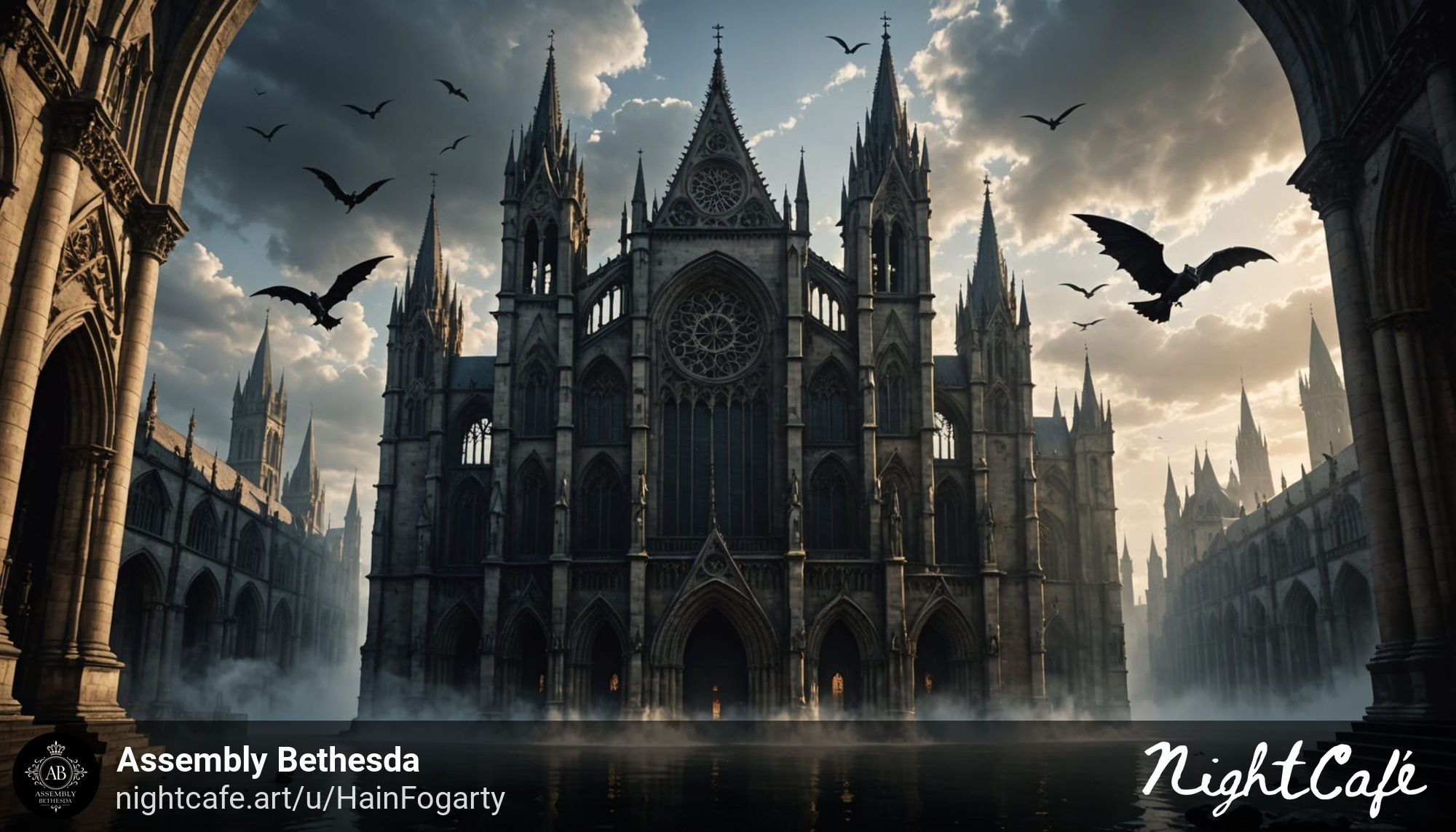
We’re here to take a look at those creepy but cool stone gargoyles perched on old cathedrals, those gothic gargoyles. You know the ones, staring down from rooftops with their wild expressions, mouths wide open like they’re about to spill. These stone and shadow guardians have watched over places of faith for centuries, not just spooky decorations.
During the Middle Ages, builders carved these beasts with a deep spiritual meaning while serving practical purposes. Besides channeling water away from walls to prevent erosion, they also serve as symbols of protection against evil, reminding everyone below of the fight between good and evil.
When Europe was building massive cathedrals like Notre-Dame in Paris or Chartres Cathedral, gargoyles went big time during the Gothic period. It wasn’t just a church, it was a statement of faith, with pointed arches and flying buttresses reaching toward heaven. Gargoyles fit in right away, often grotesque mixes of animals, humans, and mythical creatures. Why so ugly? Well, it was meant to scare off demons. A scary thing could ward off bad stuff from creeping into sacred places. It’s like having a stone watchdog that never sleeps.
They also rain water. Gargoyles come from the French word gargouille, which means throat or gullet, because they spout water during storms. Without them, those beautiful stone walls would crumble. In a casual conversation about architecture, you’d say they’re the unsung heroes keeping faith buildings up. So, practical and symbolic, these guys multitask like pros.
Putting this together, gargoyles echo biblical themes of guardianship and spiritual warfare. Think about Psalm 91:11 in the NIV: “He will command his angels concerning you to guard you in all your ways.” Angels are the good guardians, but gargoyles represent the fierce, earthy guardians. It’s like a stone version of that, carved to remind worshippers that God protects His people.
In Ephesians 6:12, “We’re not fighting flesh and blood, but the rulers, the authorities, the dark powers of this world, and the spiritual forces of evil in the heavenly realms.” Gargoyles symbolize that struggle, perched high and facing outward to fight them.
The gargoyles in cathedrals often look like lions, eagles, or dragons. Lions symbolize strength and courage, just like the Lion of Judah in Revelation 5:5, “Then one of the elders told me, “Don’t weep! See, the Lion of Judah, the Root of David, has triumphed.”
Isaiah 40:31 says eagles have soaring faith, but “people who hope in the Lord will be able to regain strength.” The dragons, on the other hand, symbolize defeated evil, echoing the dragon in Revelation 12 that’s been cast down. They’ll soar on wings like eagles; they’ll run and not grow weary; they’ll walk and not faint.
The nods to scripture aren’t random; they blend art with theology in a way even illiterate people could understand.
In Notre-Dame, for instance, gargoyles are famous, some look like horned demons, others like birds or beasts. After the 2019 fire, restoration efforts showed just how important these figures are to the building’s soul. They’re not just add-ons; they’re stories of faith’s endurance. Westminster Abbey in London has gargoyles mixed with grotesques – a quick note: gargoyles spout water, grotesques are just decorative carvings. Both serve that guardian vibe, shadowing the faithful.
As a symbol of light and dark, gargoyles play with light and dark. They’re stark at day, but at night, they fade into shadow, almost alive. This duality mirrors faith’s journey through light and trials. Gargoyles stand through storms, embodying that perseverance, as James 1:2-3 says, “Consider it pure joy, my brothers and sisters, whenever you face trials of many kinds.
Often anonymous, skilled masons poured their faith into making these stones. They’d climb scaffolding and chisel away, making figures that lasted generations. It’s amazing how something so solid comes from human hands guided by belief. The gargoyle has influenced modern culture – think Disney’s Hunchback or Batman perched like one. But their roots are in faith, guardians reminding us of God’s watchfulness.
For example, Salisbury Cathedral has elegant gargoyles, some restored since Victorian times. They spout from towers, protecting the tallest spire in Britain, or Cologne Cathedral, with its intricate beasts overlooking the Rhine. There’s nothing more powerful than gargoyles as stone sermons, offering protection without words. People snap pictures at these sites, but don’t think about the faith angle.
It’s a fusion of folklore and Christianity that makes gargoyles timeless, as they evolve through art history. Early Romanesque gargoyles were simple, but Gothic ones got more elaborate. Celtic beasts mixed with biblical motifs. Today, some churches add modern gargoyles, like Washington National Cathedral’s Darth Vader one – fun twist, but still about guardianship.
I guess gothic gargoyles are more than architectural quirks, they’re guardians of faith, carved in stone, hiding in the shadows. They protect buildings and symbolize deeper spiritual truths, from warding evil to echoing scripture. Think of them as a silent sentinel reminding you of God’s protection. “The name of the Lord is a fortified tower; the righteous run to it and are safe.” Gargoyles remind us of that tower.