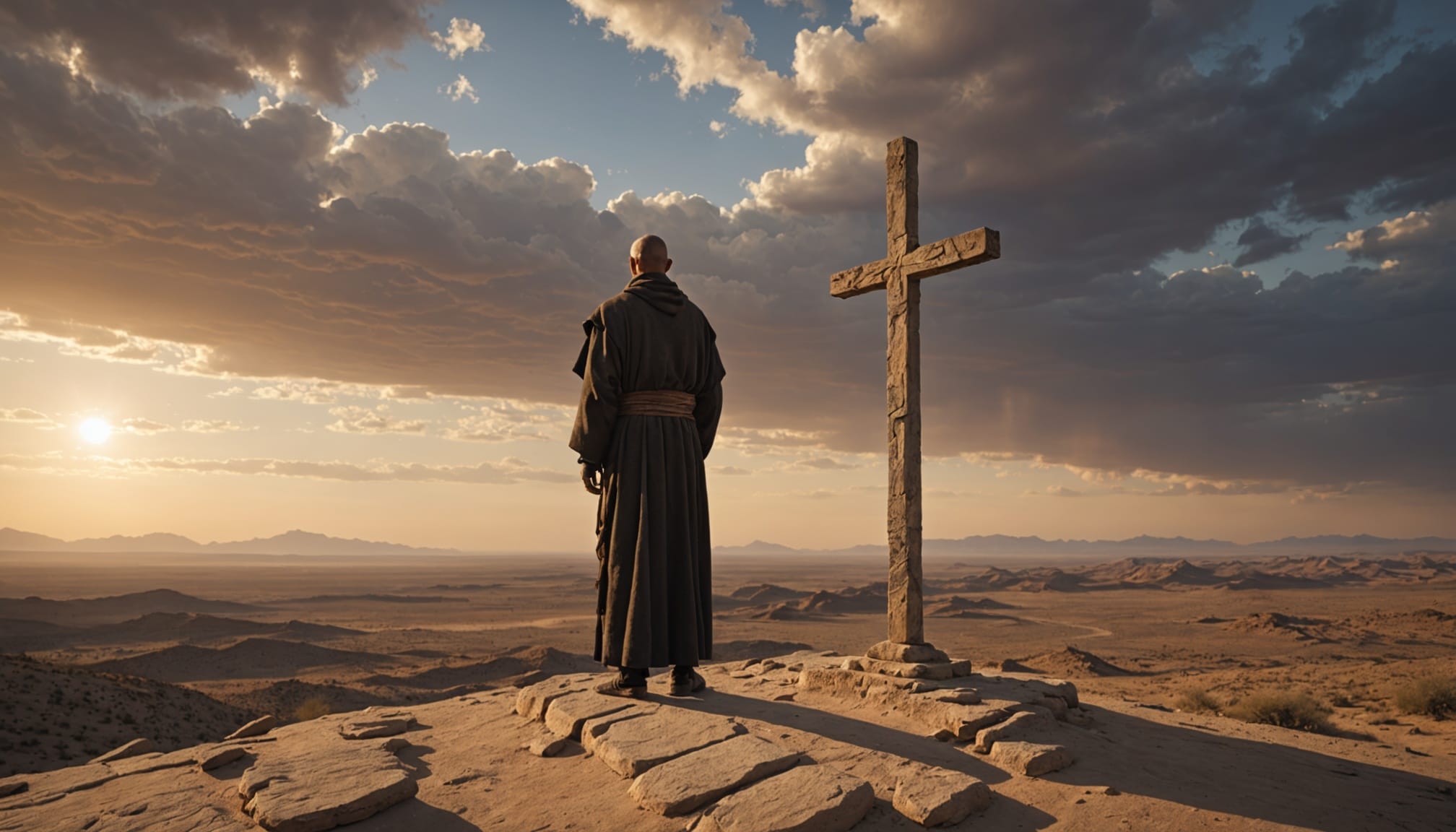
Here’s something wild from history, these forgotten fasts tucked away in secret religious orders and extreme asceticism. Back then, people didn’t just skip meals for health kicks or diets; they were pushing their bodies to the limit in secret spots far from the hustle of daily life to get closer to the divine.
Usually it involved intense fasting, which made modern juice cleanses look like a joke, so monks, hermits, and whole communities chose isolation to focus on spiritual stuff. Early Christianity adopted these practices, drawing inspiration from Jesus’ own experience in the wilderness, where the NIV says, “Then Jesus was led by the Spirit into the wilderness to be tempted by the devil. He was hungry after fasting for forty days and forty nights.”
Imagine this, in the third century, people like Anthony the Great ditched civilization, and went to live as hermits in the Egyptian desert. In places like Nitria and Scetis, these Desert Fathers were hidden communities where they could really get ascetical. It’s basically self-discipline that means dialing back on worldly pleasures, and fasting was a big deal for them.
They’d eat super simple stuff, like bread and water once a day or go days without food to tame their desires and sharpen their prayers. It wasn’t just about hunger, it was a way to battle inner demons, like Jesus did. People like Pachomius organized fasting twice a week, silent meals, and lots of hard work. Communities grew into thousands, blending solo hermits with group living.
But some took it even further, enter the stylites, these pillar-dwellers who made fasting seem pretty easy. Around 423 AD, Simeon Stylites the Elder started it, climbing up a pillar and fasting for 36 years, preaching, praying, and fasting through rain, heat, you name it. Followers below might drop food or bread.
As a form of mortification, which means punishing the body to purify the soul, there’s no comfy bed, no shelter at first. A lot of his followers did the same, fasting rigorously and living on pillars for decades. They weren’t public spectacles at first, they started in remote, hidden places away from cities, so they were kind of forgotten orders that history almost overlooked.
Asceticism was part of the daily routine of hidden monastic orders in Europe, like the Benedictines and Franciscans. Benedict of Nursia established monasteries where monks vowed poverty, chastity, and obedience, and fasted regularly, so they didn’t eat meat or fancy stuff. It was common for these spots to be hidden in mountains or forests, so they could grow spiritually.
Throughout the ages, Francis of Assisi and his crew practiced total poverty and fasting, wandering, but sometimes retreating to remote hermitages for intense periods of abstinence. In the East, places like Mount Athos became hubs for Orthodox monks, with lavras, semi-hidden clusters of cells where ascetics practiced perpetual fasting, prayer vigils, and silence.
This made them feel closer to passages like Paul’s in the NIV, “as servants of God, we commend ourselves in every way: in great endurance; in troubles, hardships and distresses; in beatings, imprisonments and riots; in hard work, sleepless nights and hunger” (2 Corinthians 6:4-5). I don’t see why they’re forgotten? A lot of these extreme fasts faded as Christianity spread.
Church started regulating stuff so that overdoing stuff wouldn’t hurt your health or make you proud. Barsanuphius of Gaza warned people not to go too extreme, like chaining yourself to rocks or eating only grass, because balance matters. Anchorites walled themselves into church cells and fasted on rations delivered through windows, but practices lingered in hidden pockets.
Desert Mothers like Mary of Egypt lived alone in the Jordan desert for 47 years on wild plants and intense prayer after a life-changing conversion, too. It wasn’t just a physical fast, it was about renouncing sin and seeking purity as well.
Fasting repressed appetites and developing virtues like self-control are Catholic traditions. St. Paul wrote, “I strike a blow to my body and make it my slave so that after I preach to others, I won’t be disqualified for the prize.” There was no temptation in hidden orders, so communities supported each other through shared hardships.
Think about the Encratites, early groups who abstained from meat, wine, and marriage, thinking they were barriers to holiness. The tradition continued through medieval hermits in Europe, living in caves or forests, fasting during Lent and other times.
In their charterhouses, hidden in valleys, the Carthusians, founded in the 11th century, monks lived in individual cells, ate vegetarian meals sparsely, and fasted several days a week. It’s fascinating how these practices influenced broader culture, like Lenten observances that once meant no dairy or eggs for 40 days, far from today’s milder versions.
Almost half of the year in Orthodox circles involves abstinence, echoing those ancient hidden ways, so fasting stays strong. The extreme stuff, like stylites or total isolation, got rare, remembered mostly in saints’ stories. Why hidden? They were protected from persecution or worldly interference because they kept their focus on God. There are still echoes of this life in modern retreats or eremitic life on the Greek islands, where monks fast a lot.
To wrap up, these forgotten fasts show a raw side of faith, where people pushed themselves to find something deeper. It’s not about glorifying suffering, but it’s about understanding how discipline shaped spiritual lives in those shadowy corners of history. If you’re curious, maybe give it a try yourself, but stay safe. Who knows? Maybe it’ll spark something in you.