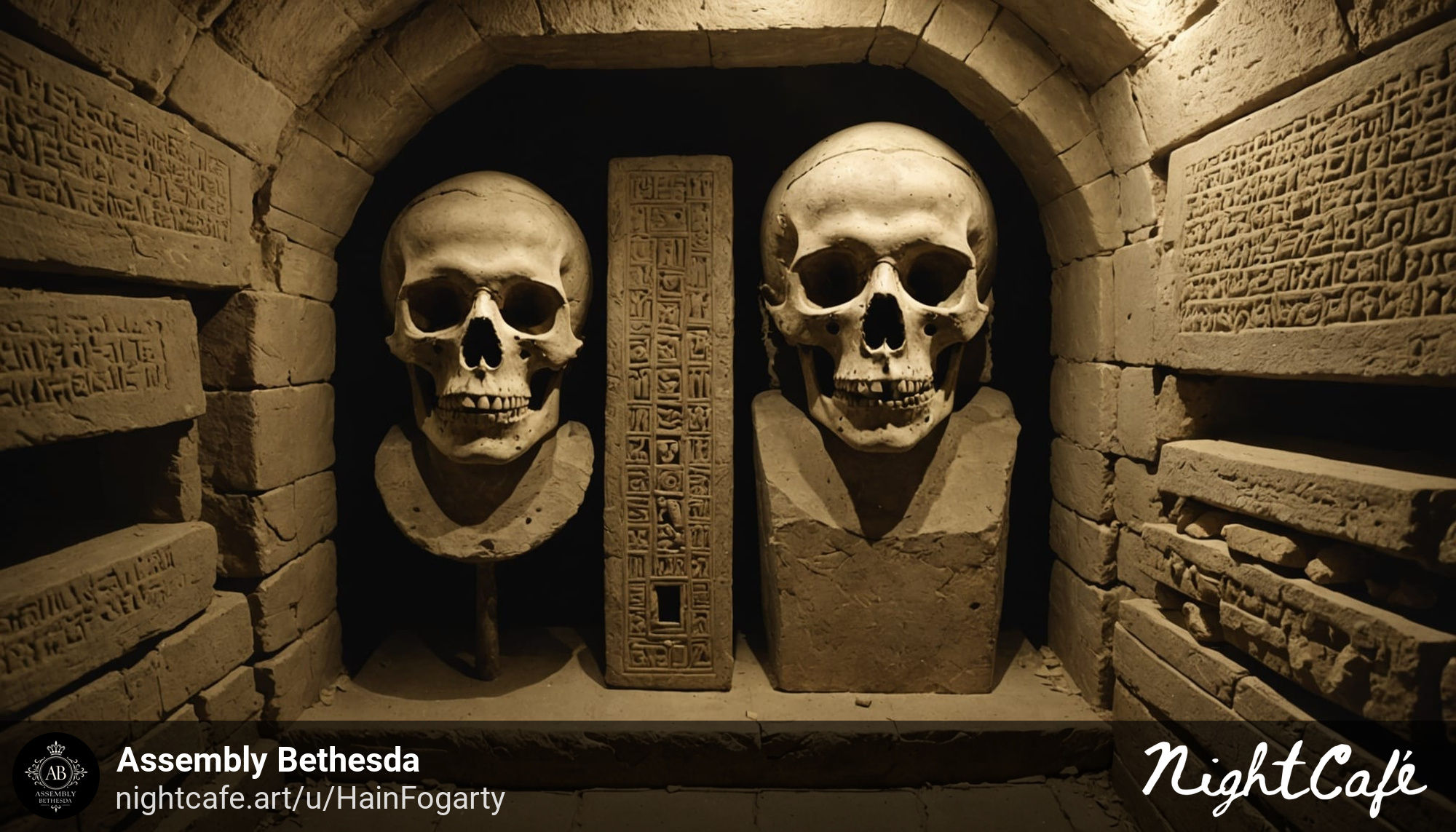
In ancient times, burial sites were revered as sacred spaces, where the soul transitioned into eternity and the boundary between life and death thinned. It was the crypt keepers or tomb keepers’ job to protect the dead, their treasures, and their spiritual secrets. A mix of duty, ritual, and belief in the afterlife, these figures appear in ancient records from Egypt, China, and beyond. A group of specialized forces and symbolic protectors guarded the royal tombs in the Valley of Kings.
To prevent desecration and robbery, the Medjay patrolled the necropolis. During construction, workers and guardians maintained secrecy, keeping hidden entrances and protective measures intact. Statuettes and figurines served as eternal sentinels. In Tutankhamun’s tomb, life-sized guardian statues of the pharaoh flanked the burial chamber entrance, symbolizing vigilance in the afterlife. Anubis statues, depicting the jackal-headed god of embalming, stood on bases to ward off intruders, too.
In funerary texts like the Book of the Dead, gate deities and serpents protected underworld portals. The tombs were filled with spells to ensure resurrection and prosperity, so knowing secret names meant passage, while ignorance meant doom. Earthenware tomb guardians in ancient China were fierce warriors, mythical beasts, and heavenly kings. They were placed at entrances to deter evil spirits and human thieves alike.
Some depicted armored figures with raised fists holding weapons that have since disappeared. Featuring protector deities from various traditions, these guardians reflected a cosmopolitan society influenced by Buddhism. The emphasis on elaborate burials highlighted concerns about posthumous protection, as tombs contained servants, animals, and goods for the afterlife.
Nehekhara-inspired lore from ancient inspirations says tomb guards were elite warriors mummified and entombed with kings, so they could awaken to fight. There were collective tombs in Sardinia called Giants’ Tombs that had monumental structures that suggested rituals and ancestor veneration. These sites, with central stelae and semicircular exedrae, evoke awe and mystery, guarding Bronze Age secrets. In the Bible, tombs hold tremendous significance.
Matthew 27:65-66 describes guards posted at Jesus’ tomb: “Take a guard,” Pilate told them. They put a seal on the tomb and posted a guard, and they secured the tomb as much as they could. The guards were shaken and became like dead men after an angel rolled away the stone (Matthew 28:2-4).
In Job 21:32, vigilance over burials is illustrated by the fact that “Yet they are carried to the grave, and a watch is kept over their tombs.” It’s said the tombs opened at Jesus’ death (Matthew 27:52), which foreshadowed the resurrection by releasing saints. These accounts emphasize victory over death, where no earthly keeper could stop God’s plan. Sacred tombs often contain secrets.
The Egyptian pharaohs concealed tomb locations to evade robbers, but many died despite curses carved on the walls. In historical inspirations, the Tomb Keepers clan guarded the pharaohs’ legacies with tattoos and rituals. By performing such duties, the afterlife was not only ensured, but also esoteric wisdom. It was the crypt keepers who deterred physical theft while invoking supernatural aid, whether they were priests, soldiers, or statues.
Egypt cursed violators with divine retribution. Chinese guardians blended ferocity with cosmology. Biblical guardians stressed human limitations against resurrection power. In the Valley of the Kings, archaeology and the media keep this fascination alive. Discoveries reveal sophisticated traps, false doors, and shafts designed to fool intruders. Yet the true secrets lie in beliefs: tombs as eternal homes, guardians as bridges between worlds.
Reflecting on these guardians invites you to think about death. Sacred tombs remind us that life prepares for what comes next, guarded by faith rather than stone. As Ecclesiastes 9:10 (NIV) says, “Do whatever your hand finds to do with all your might, for in the realm of the dead, there will be no planning, no knowledge, nor wisdom.”
In ancient societies, crypt keepers kept order in the midst of death. They evolved from practical security to symbolism. Discovering these guardians reveals layers of history, revealing shared quests for immortality across civilizations.