Modern expressions of faith are easy to get comfortable with. We have climate-controlled buildings, padded chairs, high-definition screens for lyrics, and coffee bars. Podcasts and Bible translations on phones are all right at our fingertips. It’s all super easy, super convenient, and sometimes super low-stakes. We see a starkly different reality when we look back at its origins.
At the time, the early Church wasn’t growing in comfort; it was growing right in opposition to the Roman Empire, the greatest power on earth. Their faith wasn’t an accessory to a normal life; it was a radical reordering of everything they knew, often requiring them to go underground. We need to revisit this tension between the Covenant and the Catacombs.
When we speak of “Covenant” in the context of the early Church, we’re not just talking about a theological agreement or a spiritual safety net. In the first few centuries after Christ, it was an act of treason to sign this covenant. In Roman society, Caesar was Lord. Being a good citizen meant acknowledging the divine authority of the State and its emperor. This shared allegiance held society together.
People from a backwater province came up and claimed a crucified carpenter was the true Lord of heaven and earth. By baptism, you declared that Caesar wasn’t supreme. This wasn’t just a different religious opinion, it was political subversion as well. This covenant meant you didn’t have to worship the emperor, which greased commerce and social standing wheels.
Because you don’t worship the traditional gods, you might lose your guild membership, your family might disown you, and your neighbors might report you as an atheist. A believer was separated from the surrounding culture in a definitive way by the Covenant, which was a total, costly allegiance.
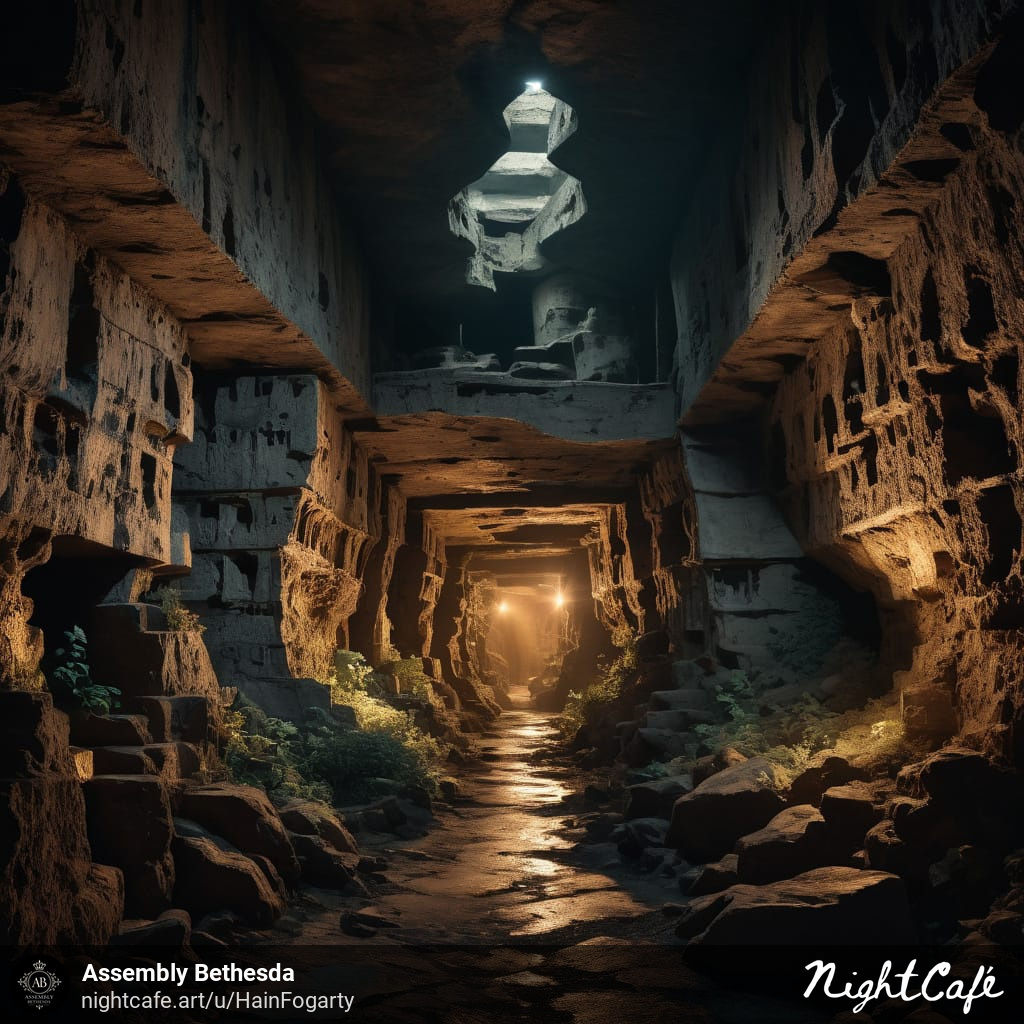
The physical expression of this faith often had to be hidden because it was so dangerous. It’s interesting that many early Christians worshipped in house churches, but the catacombs became symbolic of their existence. They became sanctuaries where the living Church could sustain itself. Roman authorities rarely liked patrolling these places of the dead.
There was more to the catacombs than a place to hide until the heat subsided. They were a place of hope and resilience. It’s amazing that the early Church found its most potent life in the midst of death. In these dark, torch-lit corridors, surrounded by the tombs of martyrs who had gone before them, they celebrated the Eucharist. They celebrated the Resurrection there.
The art found on catacomb walls tells us what sustained them. We don’t see grand conquests or earthly power. We see images of the Good Shepherd, Jonah emerging from the whale, and symbols like the anchor and the fish. It was coded messages of hope, resurrection, and safety amidst the storm. The catacombs nurtured a faith that was stripped of everything worldly. They couldn’t rely on political influence, wealth, or social approval. They only had the Covenant, their community, and the promise that death wasn’t the end. Their faith had to be strong enough.
Our disconnect today lies here. We live in a time when covenants are comparatively cheap, especially in the West. We don’t have to choose between our economic survival and church attendance. Despite the fact that we’re not retreating to underground tunnels to avoid arrests, we have to wonder if we’ve lost what made the catacomb Church so special.
In modern culture, you don’t burn incense to an actual emperor, but you have to show your loyalty in other ways. The pressure to conform today is subtler than a Roman soldier at the door, but it’s just as pervasive. It demands we bow to consumerism, hyperindividualism, and the relentless pursuit of comfort and status. There are times when we’re tempted to dilute the Covenant, to make it just a piece of our busy lives rather than the very essence of who we are.
A modern “catacomb faith” doesn’t mean digging tunnels in your backyard or hoping for persecution. It means reclaiming a sense of distinctness. It means knowing that our Covenant is still anti-cultural. If our lives look exactly like those of people who don’t have any allegiance to Christ, just with a church service added on Sunday morning, something’s wrong.
In a modern catacomb faith, we recognize we’re really operating “underground.” It takes a thicker sense of community, like the kind that sustained the early believers when the outside world rejected them. We’re citizens of another kingdom living as resident aliens in this one. We need to ensure that our gatherings, whether in living rooms or rented halls, are powerhouses of encouragement and theological depth, preparing us for a world that doesn’t get it.
We need the resilience of the ancient Church. They knew the Empire, with all its pomp and power, was temporary, but the Covenant was eternal. They knew that the darkness of the catacomb was a temporary state until the resurrection. We need to switch from our fragile, comfort-based spirituality to something durable, something that can thrive in the dark. The ancient faith flourished underground and was forged in fire.
No matter how out of step it makes us with the modern world, if we want that same power today, we have to embrace the Covenant’s full weight.