Symbolizing the soul’s long journey toward God, the ancient cloak and pilgrim’s path stand as twin symbols in the dim corridors of faith, where candle flames flicker against stone walls and the air is filled with centuries’ worth of dust. Cloaks aren’t just clothes, they’re a second skin, a shield against doubt, a quiet declaration that you’ve stepped out of the ordinary. A pilgrimage is a winding road through wilderness and wonder where every step tests the heart and every mile brings you closer to God.
If you’re leaving behind the familiar, think about the heavy folds of wool or rough spun cloth settling over your shoulders. Cloaks used to serve practical purposes, like protecting from rain and wind, sleeping under open stars, and avoiding strangers’ gaze. But its deeper meaning always stood up above the practical. To reveal the spirit, the cloak hid the self. The cloak muffled the noise of the world so you could hear the still small voice. Wrapping oneself in such a garment means accepting humility, choosing obscurity over display, deciding that the journey is more important than you.
Joseph’s coat of many colors symbolized favor, and later became a symbol of betrayal and restoration. Scripture itself is woven with threads of cover and journey. Elijah’s mantle fell on Elisha as a sign of prophetic succession, a transfer of calling, which meant the younger man had to take on the older man’s responsibilities. Prophets in the old days wore sackcloth and rough cloaks when they told hard truths, their clothes matching the message’s gravity. The woman touched the hem of Jesus’ garment and found healing, a simple act that revealed the power even in the edge of His garment. The covering that shielded the body also carried the presence of God.
When you go on pilgrimage, you get deeper into the symbolism. It’s never straight. It climbs mountains of pride, and then descends into valleys of repentance. Through deserts of silence, the only sound is the wind blowing through dry grass. It passes through cities of distraction where the pilgrim must keep his eyes fixed on the distant goal. The cloak becomes a constant companion during these changes. It’s a death of the old self and a birth of the new. When the path grows dark, the cloak gathers closer, a reminder that God is the true covering, the shadow of His wings where the soul finds shelter.
Consider the medieval pilgrims who walked to Jerusalem, to Santiago, to Canterbury. They often marked their cloaks with badges or shells, small signs of purpose that identified them as belonging to a larger story, but there was no real sign. Those long procesions blurred the individual into a collective motion, each person a thread in a broader tapestry of seeking. It was the quiet resolve to keep going when the mind questioned the value of the miles. Cloaks made that happen. They erased distinctions, like wealth or rank, so only the hunger for God was left.
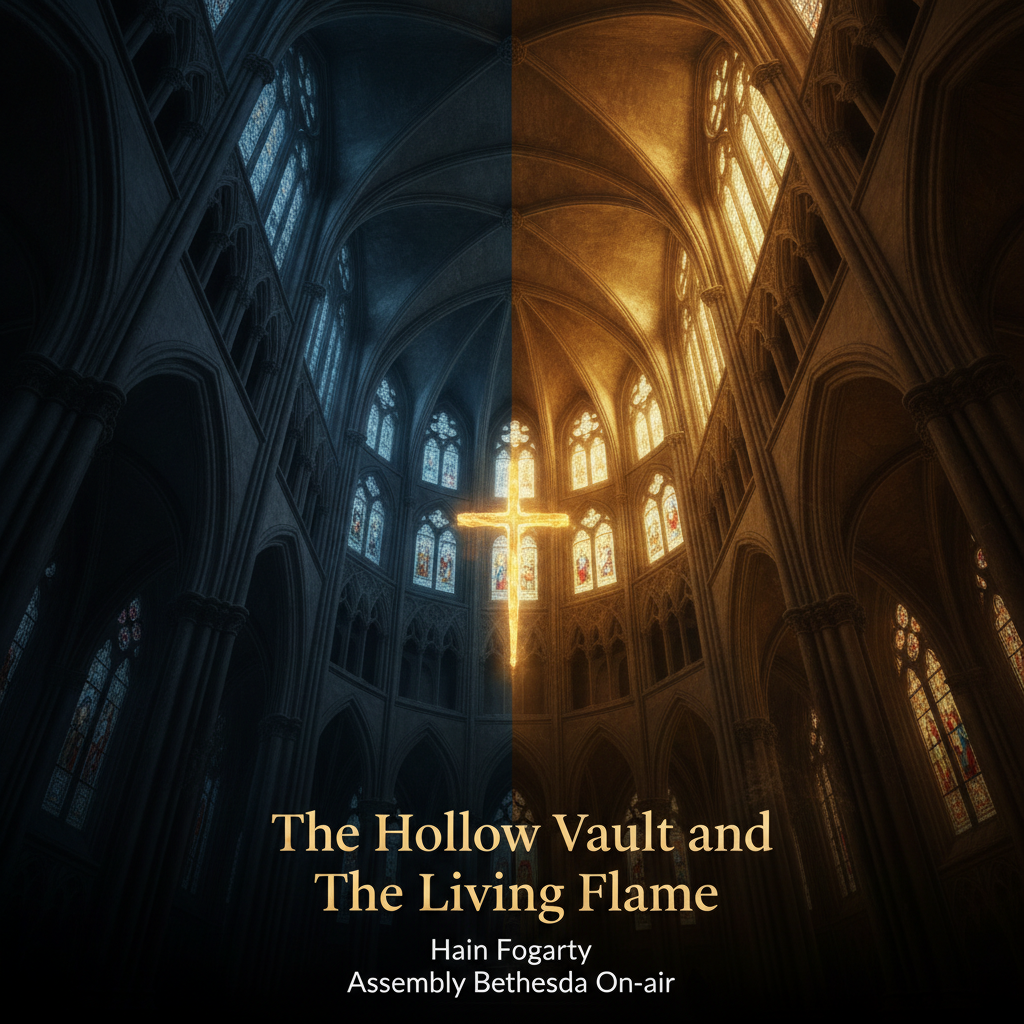
Christian Gothic imagination finds resonance in these images. Dark arches rise over the pilgrim’s head, stained glass filters colored light across stone floors, and the scent of incense mingles with the damp of ancient crypts. The cloak offers both protection and mystery in this environment. While concealing the scars of the past, it reveals a posture of the present, head bowed, steps measured, heart open. A pilgrimage becomes a living liturgy, every step is a prayer, every mile is a stanza in a hymn that has no ending. The light that pierces the gloom is the same light that once shone in the darkness.
When the pilgrim finally puts down the cloak, symbolism comes to life. Taking off the heavy garment before the altar or empty tomb marks the end of the journey. The act isn’t rejection of what protected the traveler but completion of the purpose for which it was worn. The cloak has done its job. It has carried the soul through trial and silence, and sudden joy. Now that’s exposed, it’s ready to accept whatever grace God may bestow upon him. It’s left as a votive offering in some traditions. In others, it’s folded and set aside as a private testament to the journey.
Despite the world offering a lot of coverings, status, noise, endless distractions, the modern heart still needs these symbols. Faith is movement, not arrival. The pilgrimage reminds us that true protection comes from surrender, from walking a path that might cost everything and yield nothing you can measure. The ancient cloak reminds us that true protection comes from surrender. Every day we’re on the road, adjusting the weight of the cloak on our shoulders, listening for the next direction from the One who walks ahead and beside us.