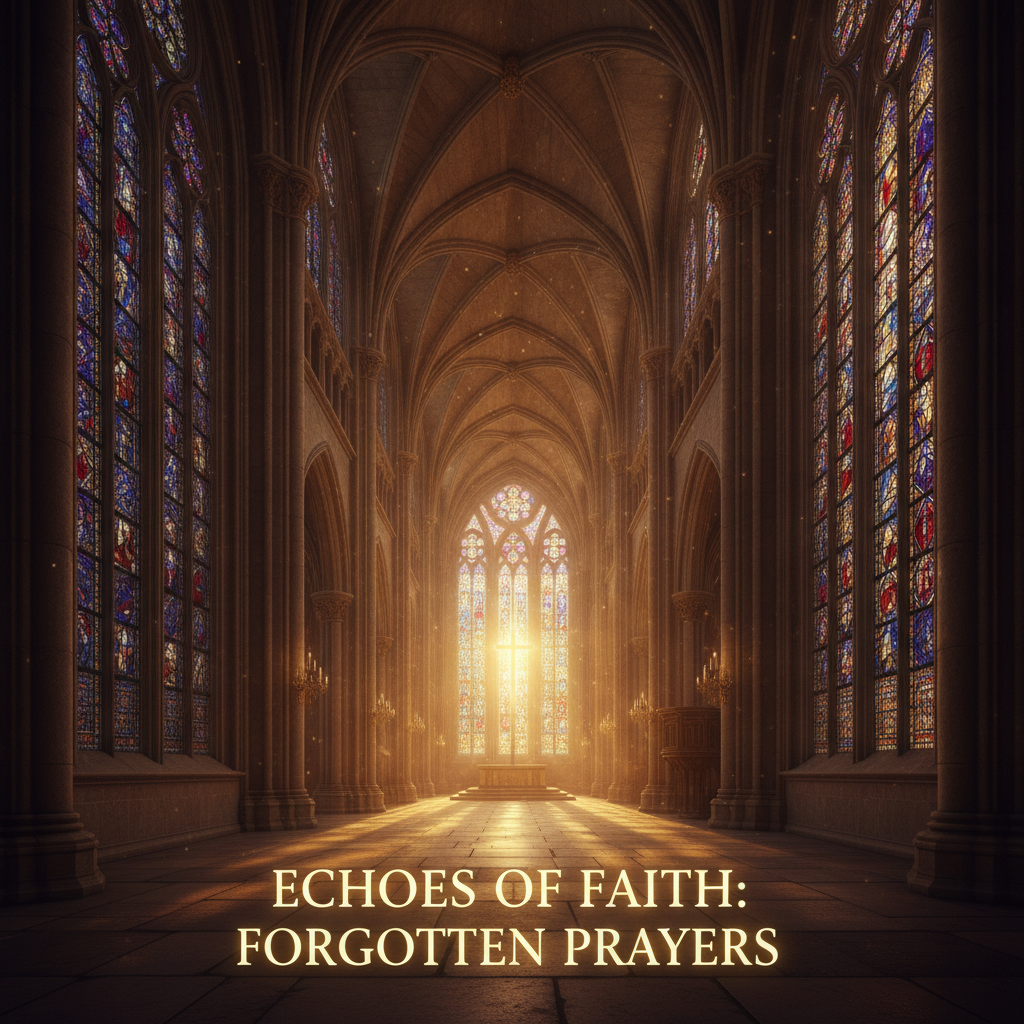
Old stone churches and grand cathedrals have quiet corners where people used to whisper prayers long ago. It’s almost as if they’re dust in a beam of colored light from stained glass windows. You walk into one of these places and you can almost hear them. Even though they’re forgotten prayers, they haven’t gone away. They echo through the sanctuaries, calling us back to our faith.
It’s like those towering Gothic arches reaching up like hands raised in prayer to God. The stone walls are cool to the touch, and shadows play across the floors where generations once knelt. In Latin chants or simple English pleas, people expressed their hearts. When life got hard, some people asked for protection, others thanked their daily bread, and others asked for forgiveness. They weren’t fancy or complicated prayers. Their stories came from real hearts, and they still have power.
When monks used to pray early in the morning, their voices filled the chapels with psalms and petitions that felt alive. The routines faded over time as the world changed and churches emptied out in some places, but the echoes still remain. It’s casual, like chatting with an old friend in a familiar place. The silence reminds me that God still listens. Let’s slow down and join these forgotten prayers.
During Gothic times, life was full of unknowns, plagues, wars, and uncertainties, so one of the common forgotten prayers is the one that seeks guidance in the dark. We don’t face the same threats today, but we still need guidance. People used to light candles and say, “Lord, light my path when I can’t see.” These prayers echo because they tap into a timeless need. They don’t get locked in history books. They float through vaults and naves, waiting for someone to pick them up.
When grief hit hard, people cried out in empty sanctuaries. They didn’t hold back when it hit hard. They told God what they felt, mixing sorrow with trust. Gothic style, with its dramatic spires and intricate details, reflects this. The laments are still meaningful because life throws curveballs. Hearing their echoes can comfort us, showing that it’s okay to bring our pain to the altar.
Prayers of intercession, where people pray for their communities, their sick, their lost, and their leaders. In big cathedrals, whole groups would join in, their voices blending into a powerful chorus. Today, you’ll still hear that collective cry, even in abandoned sanctuaries and quiet places. It encourages us to pray for others, not just for ourselves. It’s like remembering to text a friend who needs help.
The lost prayers feel like wandering through an old library with dusty shelves as you explore them. A Christian Gothic style adds mystery and awe to these prayers. Picture fog rolling outside tall windows, while candle flames flicker and prayers linger inside. It’s not scary. It’s sacred and inviting, calling modern believers to rediscover the richness.
We can make these prayers part of our daily walk. Start simple. Go to an old church if you can, sit in the pews, and listen. Let the atmosphere stir your heart. Light a candle and speak from the past. God honors honest prayer, no matter how old or how new. These are gifts, bridges between now and then.
If you think about this, remember the sanctuaries aren’t really empty. Faith is alive, echoing through time and stone, to our souls when we give them voice again. Forgotten prayers wake up when we give them voice again. The Gothic beauty of it all points to a God who is both majestic and close, waiting in the quiet. Keep seeking, keep praying, and let those old words inspire new ones.