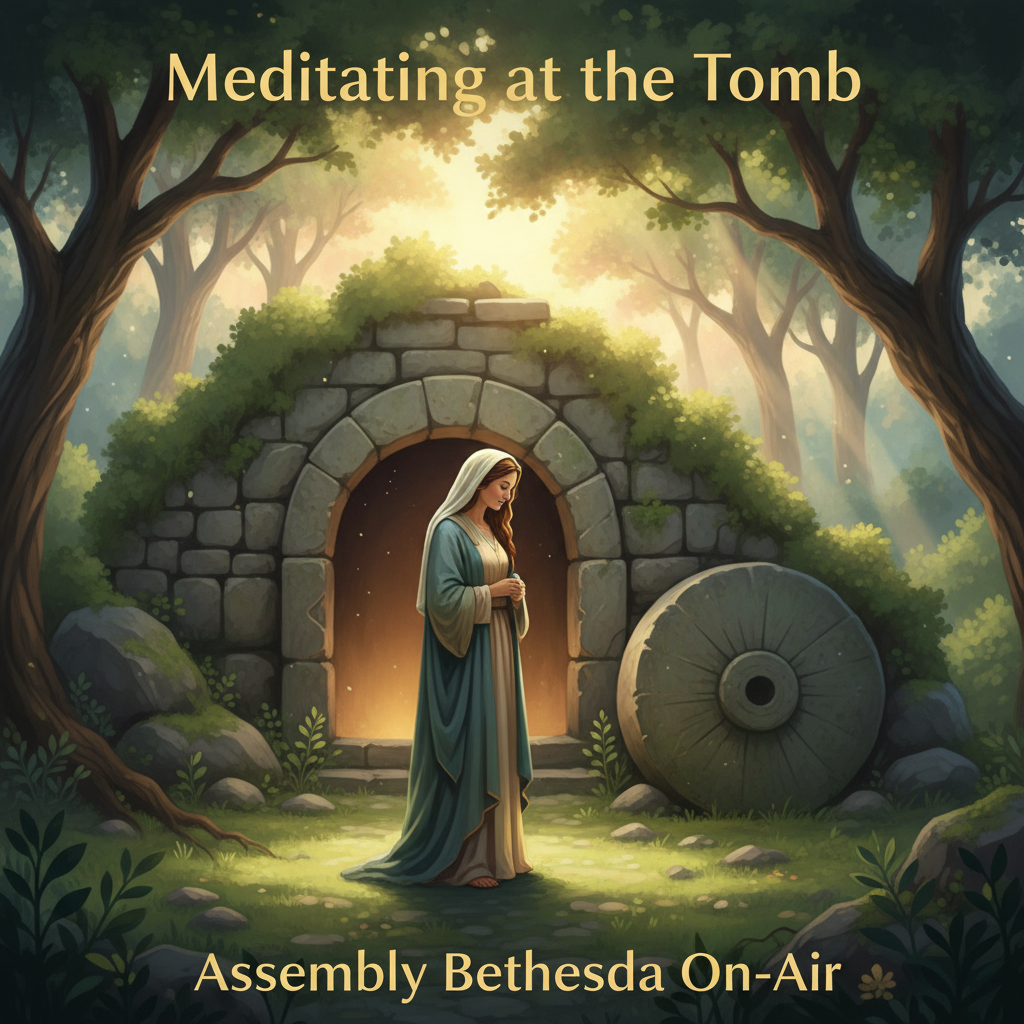
It’s easy to connect with faith in everyday life when you find peace at the empty tomb with Mary Magdalene. Imagine Mary standing near where Jesus was laid in the early morning. In this post, we’re going to explore sepulcher devotions, informal ways to meditate at the tomb alongside Mary Magdalene. In this moment, we’ll take a moment to reflect on love, loss, and surprising hope.
It’s Mary Magdalene who shows up as a faithful follower. When the tomb is still dark, her heart is heavy and full of loyalty. We can draw from that steady presence when we’re waiting too. Sepulcher devotions don’t have complicated rules or strict schedules. They’re gentle practices that help us sit with the story, breathe deeply, and listen for whispers of resurrection hope.
Try to picture the garden tomb setting. Cool air, soft light, and the stone rolling away. Mary mistakens the risen Jesus for the gardener at first, so it feels so relatable. When she hears her name spoken, her devotion turns to joy. This shift from sorrow to recognition is something we can meditate on. Sit comfortably, close your eyes, and recall that part of the story without hurrying. Let the details sink into your mind without rushing. How does it feel to be seen and called by name in tough times?
We can practice staying present too. Light a candle, or just sit in a quiet corner of your home. Read the sepulcher devotion slowly. Pause after each section and see what stands out. Mary stayed when others left. She had her love. Think about how the tomb changed from a place of ending to a place of new beginning. This casual approach brings ancient events to life.
Journal your reflections as well. Write down how Mary might’ve felt standing there. You can also add your own honest thoughts about waiting for answers or hoping for change. Just keep it conversational, like chatting with a friend. You don’t need fancy words or perfect sentences. It’s about connection, not performance. Over time, these little practices make you turn toward hope no matter what.
Our prayer at the tomb helps us face grief without running. Mary didn’t hide her tears. She brought them right up to the place of loss. In our devotions, we can do the same. Acknowledge the hard stuff, then remember the empty tomb means something big. Casual prayer works here. You can just say, “I’m stuck, tell me what to do next,” or sit in silence for a while. Mary’s story reminds us that encounters with the risen one can happen anywhere.
If sitting still is difficult, take short walks. Imagine the path to the tomb, the ground beneath your feet, the world waking up around you. This movement pairs well with reflection. Consider how Mary’s devotion led her to be the first witness. Her faithfulness mattered. It helps shift our focus from problems to the presence.
At first, keep devotions short, maybe ten or fifteen minutes. Consistency wins out over length. Return to the story often. Notice new details each time, like the angels asking why she is crying or the way Jesus says her name. You can get spirituality no matter how busy life is with casual faith practices like this.
Thankfulness grows as you build this habit. It can spill over into your daily life. Celebrate small signs of new life, a kind word, a new opportunity, or a moment of calm. It’s more important to show up faithfully than to have it all figured out, as Mary Magdalene showed us.
The Sepulcher devotions with Mary Magdalene are about real connection. They connect us in the in-between spaces of life and give us joy. Try it this week. Sit quietly, read the story, reflect, and listen. You might find the same mysterious presence that transformed Mary’s sorrow into an announcement. Hope is alive, and the tomb is empty.