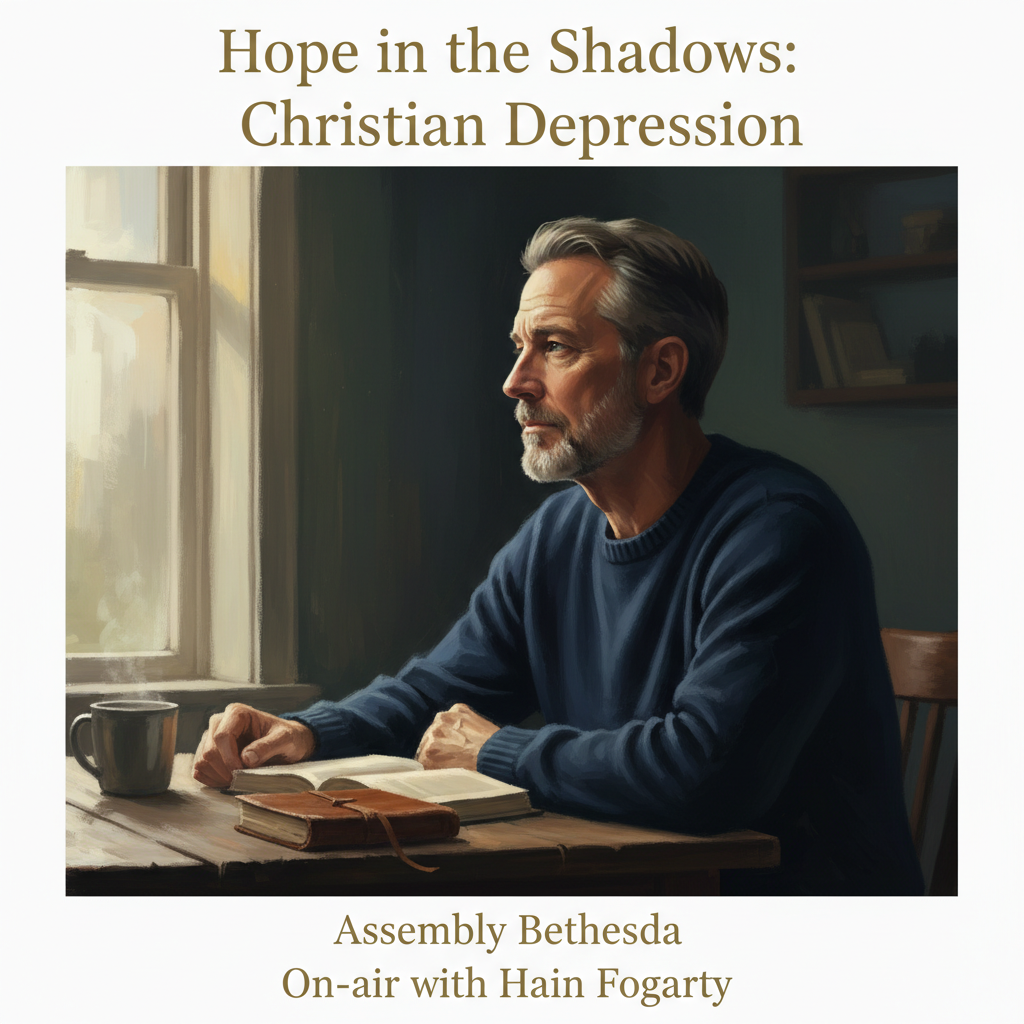
You’re not alone when the world feels heavy on your chest, when joy feels distant, and when everything seems to echo back unanswered. There have been times when hope flickers like a candle in the wind, while sadness clings like morning fog. We’re going to talk about depression, melancholy, and what the Christian faith calls the dark night of the soul today. It won’t be easy to understand. These heavy feelings can show up even in the lives of people who love God.
Melancholy isn’t like depression. It takes color from the world and leaves everything in shades of gray. Depression is that thick cloud that makes getting out of bed feel like climbing a mountain. Sometimes it brings a strange beauty with it, a reflective ache that makes you ponder the deeper things of life. Melancholy is that quiet, lingering sadness that can settle in like an old friend you didn’t invite. Then there’s the dark night of the soul. When God seems far away, when faith feels tested in the deepest places, and when prayer and scripture don’t seem to be as comforting as they once were.
The Christian walk isn’t always sunshine and mountaintops. Scripture is full of honest cries from people who felt crushed by sorrow. Think about the Psalms. David poured out his heart with raw words like, My soul is downcast within me. He didn’t hide his pain. He brought it to God straight. Jesus himself knew sorrow. He was sorrowful and acquainted with grief, according to the Bible. His sweat was like drops of blood in the garden before the cross. Jesus went through deep anguish, so it’s no surprise that his followers might go through the same.
When depression hits a believer, it can feel confusing. You might wonder if your faith is weak or if you did something wrong. But the truth is, these struggles don’t mean God has abandoned you. They can be part of God’s refining process. A dark night of the soul isn’t a punishment. You’re usually letting God do a deep work in your heart, so you can cling to him more fully. There’s darkness because the old ways of feeling close to God are changing. You’re learning to trust him even when you can’t feel him.
Christians have a long history of melancholy as well. Mystics and early church fathers talked about times of spiritual dryness. They saw it as normal, not something to fear or run from. We tend to treat sadness like an enemy we need to fight quickly in our modern world. But sometimes bringing it to the Lord and sitting with it can lead to surprising growth. Humility comes from it. It reminds us that we’re not in control.
The comforting thing about all of this is that God doesn’t fear your darkness. He doesn’t flinch when you tell him your questions, your doubts, or your tears. The Bible doesn’t promise a life without sorrow. It says God will be with us in our sorrow. The dark night doesn’t last forever, even when it feels endless. Saints who lived through these seasons ended up with a deeper faith. Their love for God became more about obedience than feelings.
If you are in a place right now where depression has a tight grip, know that it’s okay to get help. You can get help from counselors, doctors, medicine, and community. Faith and practical care don’t have to be enemies. They can go hand in hand. But keep turning to the Word. Psalm 42 reminds us to keep our hope in God even when we feel downcast. In 2 Corinthians 1, Paul talks about the God of all comfort who comforts us in our troubles.
Many Christian artists, writers, and musicians have created beautiful works from seasons of sadness. Melancholy can sometimes spark creativity or deeper compassion. Gothic art and literature explore these themes of darkness and redemption, shadows and light. We don’t shy away from the cross, the thorns, the blood, and the tomb in Christian Gothic because we know resurrection comes after. Dark nights can feel like tombs, but they’re where new life is born.
Remember, Elijah struggled with deep discouragement after his great victory on the mountain. He sat under a tree and asked God to take his life. He didn’t scold him. God sent an angel to care for him, to let him rest and eat. That gentle care is still available today. We’re weak when God meets us, and he doesn’t expect us to get up by our bootstraps before he will love us. His grace is sufficient even when we don’t feel like anything.
The key during these seasons is to keep showing up. Keep praying even if the words feel empty. Keep reading scripture even if it feels dry. Keep meeting up with other believers even when it feels like you want to isolate. You can’t see growth yet, but the roots are going deep. Little acts of faithfulness in the dark build something big over time. It’s like seeds planted in winter soil.
The dark night of the soul isn’t the end of your story. It’s just an experience you walk through, not your identity. It’s part of the journey toward greater light. You’re in Christ, loved, chosen, and redeemed. People who’ve gone through it say they come out with a faith that’s quieter, steadyer, and more rooted in God’s nature.
When you feel heavy today, lift your eyes a little and whisper a little prayer. The Christian faith doesn’t ignore the darkness. It meets it head on with the hope of the gospel. The same power that raised Jesus from the dead is at work in you too. It’s not just nice words, it’s solid ground you can stand on when everything else feels like sand.
You’ll see how faithful God was all along when the light comes, dear friend. The night won’t last forever.