There are some Bible moments that stick with you because they feel real and raw. This one in Mark chapter 11 verse 12 to 14 and then verses 20 to 25 is like that. As Jesus and the disciples walk one morning after staying in Bethany, he gets hungry. He sees a fig tree in the distance so he heads over to see what it’s all about. There weren’t any figs yet.
Still, Jesus says don’t let anyone eat fruit from you again. The disciples hear him say it. The next morning they go to the same spot, and it’s completely withered from the roots. Peter points it out to Jesus, and he turns the moment into a lesson about faith, prayer, and forgiveness.
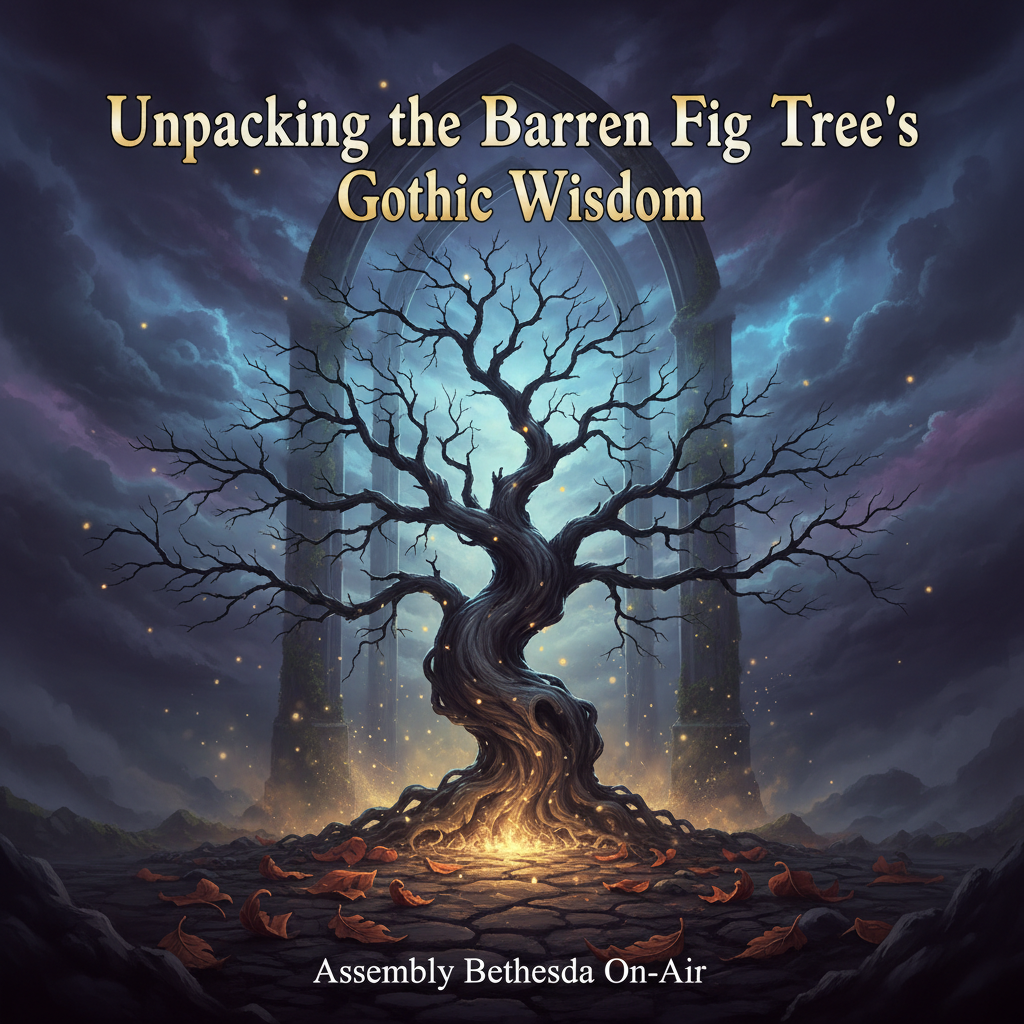
The scene hits you differently when you look at it from a gothic perspective. The tree stands there with all its green leaves promising life but delivering nothing. It looks alive on the outside yet it is empty inside. He doesn’t wait for the season to change. He calls out the barrenness right there. We know that beauty that hides decay in our gothic Christian world. Consider an old cathedral at twilight, with vines climbing its stone and shadows swimming in the corners.
A place looks majestic, but if the heart isn’t bearing fruit, it’s hollow. Jesus cursed the fig tree not by accident. The leaves represent the show we put on. The missing fruit is the real deal we often lack. The withering that follows is what happens when the word of truth cuts through the illusions. It’s a picture of honest judgment mixed with a call to something deeper.
Let’s go through it without hurrying. Let’s start with the setting. The day before, Jesus had just entered Jerusalem with crowds shouting hosanna. There’s a lot of expectation in the air. He is hungry on his way back from Bethany. That’s important. God’s son feels human need. He approaches the tree because it looks ready from afar. Leaves are everywhere.
Fig trees usually leaf out before they get fruit, so seeing leaves meant fruit would be there. But not this one. It’s not even early figs. Jesus finds emptiness, so he says, “May no one ever eat from you again.” It’s direct, it’s final. They don’t forget.
In the morning, everything withered. Roots dried out. Leaves drooping. The whole thing was dead from the inside out. Peter said, “Rabbi, the fig tree you cursed has withered.” Jesus doesn’t explain it much more than this. He just says, “Have faith.” If someone says to this mountain, “Go throw yourself into the sea,” and doesn’t doubt in their heart, but believes that what they say will happen, it’ll happen.
In other words, whatever you ask for in prayer, believe that you’ve received it, and it’ll be yours. And if you have anything against anyone, forgive them, so that your father in heaven can forgive you.
In gothic Christianity, we don’t run from the dark. We sit with it. We shift from curses to mountain-moving faiths. The curse exposes the barren. It’s honest. It admits that life sometimes feels fruitless, even when the calendar says it shouldn’t. Depression seasons. Creative dry spells. We don’t run from the dark. Withered trees are like veils we wear or black lace that frame our melancholy.
There are times when our faith looks leafy, but feels empty. Jesus doesn’t shame the tree for being out of season. He names the lack, then hands us the key to change it. Speak with belief. Forgive without holding back. The same power that withered the roots can move mountains of doubt and grow real fruit in us.
It’s kind of like the fig tree symbolizes the temple or Israel. All the outward religious activity, but no real fruit reaching God or people. Jesus cleansed the temple right after this, so the connection makes sense. The leaves of ritual without the heart of love. But we can bring it closer as well. The tree symbolizes a part of us that pretends to be alive but stays barren in our own lives. Gothic souls often feel that tension too.
The aesthetics of darkness tell the truth about suffering and loss, but Jesus invites us to let his word wither the false parts so real fruit can grow. Not forced cheerfulness. Not fake perfection. Genuine spirit fruit even in the off season.
Here’s how spoken words work. When Jesus speaks, nature obeys. The curse isn’t angry ranting, but authoritative truth. He says we’ve got the same authority through faith. Tell that mountain to move. Believe it. Let it in. That’s wild when you sit with it. We face mountains all the time in the Gothic Christian walk. The mountain of feeling invisible in church because our black clothes and veiled hearts don’t match the bright smiles.
The mountain of grief that lingers like fog in an old graveyard. The mountain of wondering if our melancholy prevents us from being fruitful. Jesus says talk to it, believe the change is already there. The withered tree proves his words work. When something looked alive and useless, it became visible dead so new growth could be imagined.
You just have to forgive everyone. Jesus links powerful prayer to a clean heart. Forgive everyone if you hold anything against them. Simple. Hard. In life’s shadows, where hurts pile up like fallen leaves, this is the real work. Gothic faith does not gloss over pain. We acknowledge our wounds. We feel the sting. Then we let go so prayer flows freely. He forgives us as we forgive. That cycle of grace turns curses into blessings. It’s a doorway to resurrection life when you’re a barren tree.
This means embracing both sides. We see the curse as mercy disguised. It strips off the fake leaves so we don’t pretend anymore. Faith comes in. We speak life over dry roots. We believe even when it feels wrong. We forgive the people and circumstances that left us feeling fruitless. In gothic terms, it’s like tending a night garden. It’s decayed black soil and moonlight on thorns. Yet flowers bloom there too if the roots are honest. It’s our assemblies and gatherings that can be that garden. Wearing our crosses and lace not to hide, but to declare that light shines brightest where shadows are.
It ends with that open invitation: Believe. Forgive. Receive. No complicated rituals. Just heart level trust. For those of us drawn to gothic Christianity, this is right up our alley. We don’t need everything to look fruitful on the surface. We trust the withering process when Jesus names it. We just wait for the fruit that comes after honest judgment. The tree didn’t argue. It withered. The disciples didn’t argue. They learned. You can do that too. Look for the pretense leaves in your own heart and let the word wither them. Then speak faith. Move the mountain. Forgive freely. Watch what grows.
The moment in Mark 11 isn’t just history. It’s a living picture for every Gothic believer who walks the thin line between beauty and decay. Jesus shows us how to face barrenness without fear. It’s not the end of faith, it’s the start of faith that bears fruit. So let the leaves fall if they have to. Let the roots be exposed. That’s where real life begins. Those honest dark places are where the light cannot be overcome.