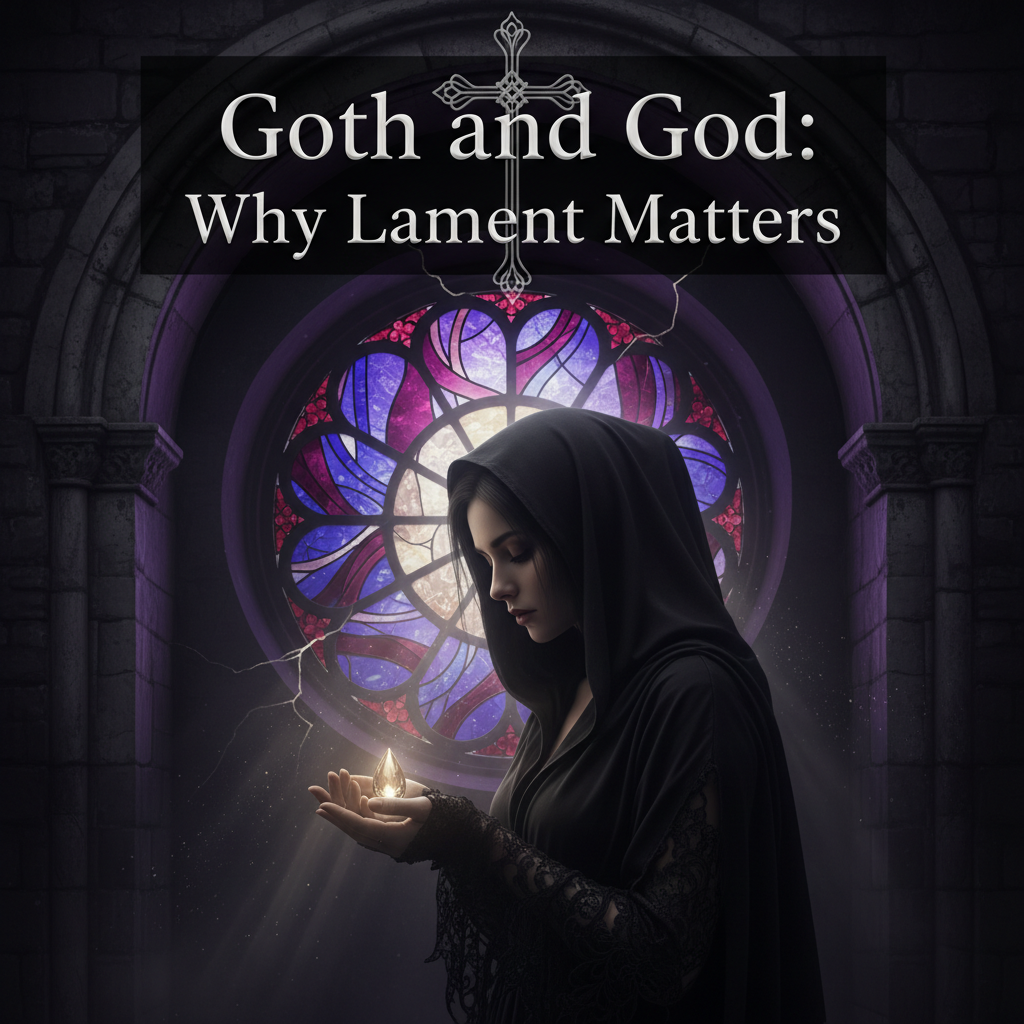
We all suffer at some point. Whether it’s loss, pain, heartbreak, or just the slow grind of a broken world, it has meaning. It’s not meaningless in Christian thinking. It’s a sign of the fall, a creation groaning under sin, and it pushes us toward redemption. The Bible doesn’t sugarcoat it. Despite Job’s rage, the Psalms’ despair, Jeremiah’s wish he hadn’t been born, and even Jesus quotes a lament psalm on the cross, feeling abandoned. Lament is a way of praying through pain that turns honest complaint toward God into renewed trust.
A lament isn’t just venting. It’s a structured cry, beginning with turning to God, naming the hurt, asking for help, and often ending with praise or confidence that God hears. It refuses easy answers or forced positivity. Instead, it sits in the mess, acknowledges how bad things really feel, and still holds onto faith. Many Christians struggle with this. Church culture focuses on fast comfort, upbeat worship, or the idea that strong faith means smiling through tears. There’s a tendency to sideline lament because it’s too negative or lacks trust. People skip the hard part and go straight to praise.
A lot of people get this wrong, but goths do it better than anyone else. The subculture, based on post-punk shadows in the late 70s and 80s, leans into darkness, melancholy, and the macabre. Black clothes, somber music, themes of death, loneliness, and longing fill goth spaces. It’s not about wallowing in shock. It’s about facing uncomfortable truths. Goths are romantic about shadows, find beauty in decay, and make art from sorrow. They don’t pretend everything’s okay. Through lyrics, poetry, and visuals, they explore suffering and loss.
While mainstream culture avoids grief or rushes past it, goth embraces it as part of being alive. It’s like the psalms describe disorientation, that feeling of being lost in the darkness, which is captured in a Bauhaus song or Siouxsie and the Banshees lyric. Gothics often express pain like the psalmist who pours out anguish and points back to God’s faithfulness. It’s okay to talk about despair or loneliness in the subculture without judgement.
The Christian understanding of suffering calls for this honesty. Jesus cried, got angry at death, and cried out why. Lament lets us do the same without losing hope. It rebuilds meaning in a relationship with a God who suffers with us. Goths practice a secular lament by living in the dark aesthetically and emotionally. They don’t always name God, but they refuse to deny him. They look at suffering and find beauty in it.
It’s not weakness to admit pain. It’s strength to bring pain to God without filters. Christians can learn from this. Goths show that embracing the dark side of life leads to richer, more authentic expression. They know that true comfort comes after honest grieving, not before. It feels revolutionary in a world obsessed with positivity.
Goths show us that darkness isn’t the enemy of light, it’s the context in which light shines brightest. Suffering shapes us. It conforms us to Christ’s image, who suffered most. By facing suffering squarely, without flinching, they model resilience many believers could use more of. Theology of suffering isn’t abstract. It’s lived, felt, cried out. Hope emerges stronger in that cry.