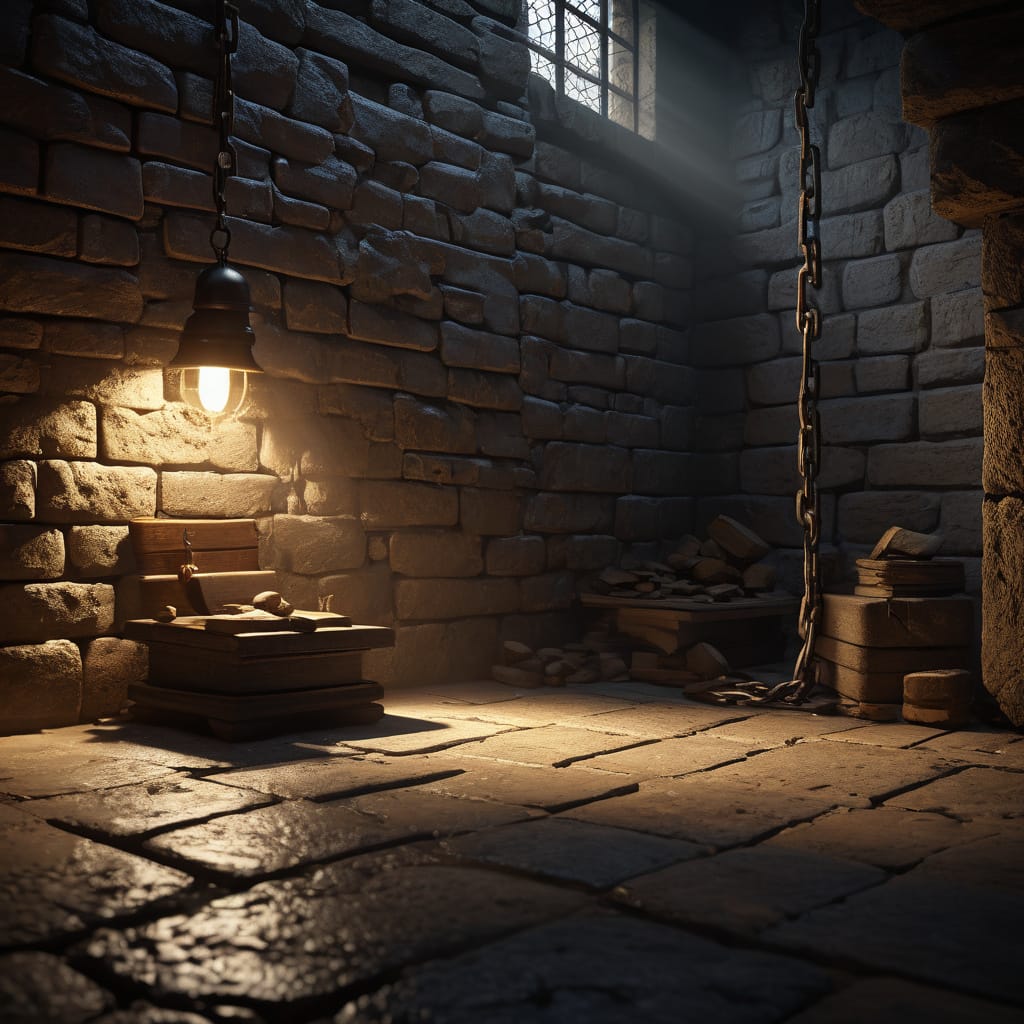
The places we think about encountering God are bright, polished ones like grand cathedrals, peaceful prayer rooms, or sunlit mountaintops. They feel holy, almost expected. What if the most profound encounters with the divine happen in the shadows, in places that don’t seem sacred?
The dark sanctuaries, where light breaks through anyway. Prisons, wilderness stretches, hospital rooms, lonely nights, moments of deep doubt or pain, God shows up there too, sometimes more vividly than anywhere else.
Think about the Bible for a minute. Joseph ends up in a literal pit, then sold into slavery, then thrown in prison. Not exactly a temple setting. Yet God places Joseph in that dark Egyptian jail, allowing him to save nations. The prison becomes a weird sanctuary where divine purpose unfolds.
Or take the Israelites wandering the wilderness for forty years. It’s dry, barren, full of complaints. Nevertheless, God leads them with a pillar of fire by night and cloud by day. He provides manna, water from rock, guidance in the emptiness. The wilderness becomes a place where you depend on him.
Those dark cells become sanctuaries of grace, where the gospel spreads even through guards and visitors. Paul writes many of his most powerful letters from prison cells. Chained, uncomfortable, facing execution, he writes about joy, peace, and the surpassing worth of knowing Christ. A low point becomes holy ground as Elijah flees to the wilderness in despair. God meets him with a gentle whisper, not a powerful wind or earthquake.
The Lord himself steps into unlikely places. He eats with tax collectors, touches lepers, heals on the Sabbath. He finds faith in a Roman centurion, compassion in a Samaritan woman at the well. God takes on the messy, the overlooked, the marginalized. On the cross, the ultimate dark place, execution on a hill outside of the city, salvation takes place. What looks like defeat becomes victory, what seems abandoned becomes redemption.
In these dark sanctuaries, God shows up. Maybe because in those moments, we’re stripped down. Pride, distraction, and self-sufficiency fade. When life feels hopeless, ordinary, or painful, we finally look up, really look up. We cry out, we listen, we notice the quiet ways grace moves. God doesn’t need perfect conditions to reveal himself. He enters brokenness because that’s where we need him most.
People often find a deeper trust in suffering. Pain doesn’t go away, but you feel a sense of presence. In loneliness, you feel reassured. When you fail, you feel forgiven. These unlikely places teach us that God doesn’t just exist in our idea of what holy is. Even when we wander into shadows, He chases us down.
You don’t have to think God always shows up in the bright spots. Look for him in all the dark spots too. The hospital bedside, the quiet apartment after loss, the long commute with racing thoughts, the place where doubt creeps in. If you pay attention, those places can be sanctuaries. You can listen to the whisper, watch for the small signs, feel the steady undercurrent of love that never goes away.
God transforms the unlikely into the eternal. The places we avoid or fear can become where we meet him most clearly. Keep your eyes open. He’s closer than you think.