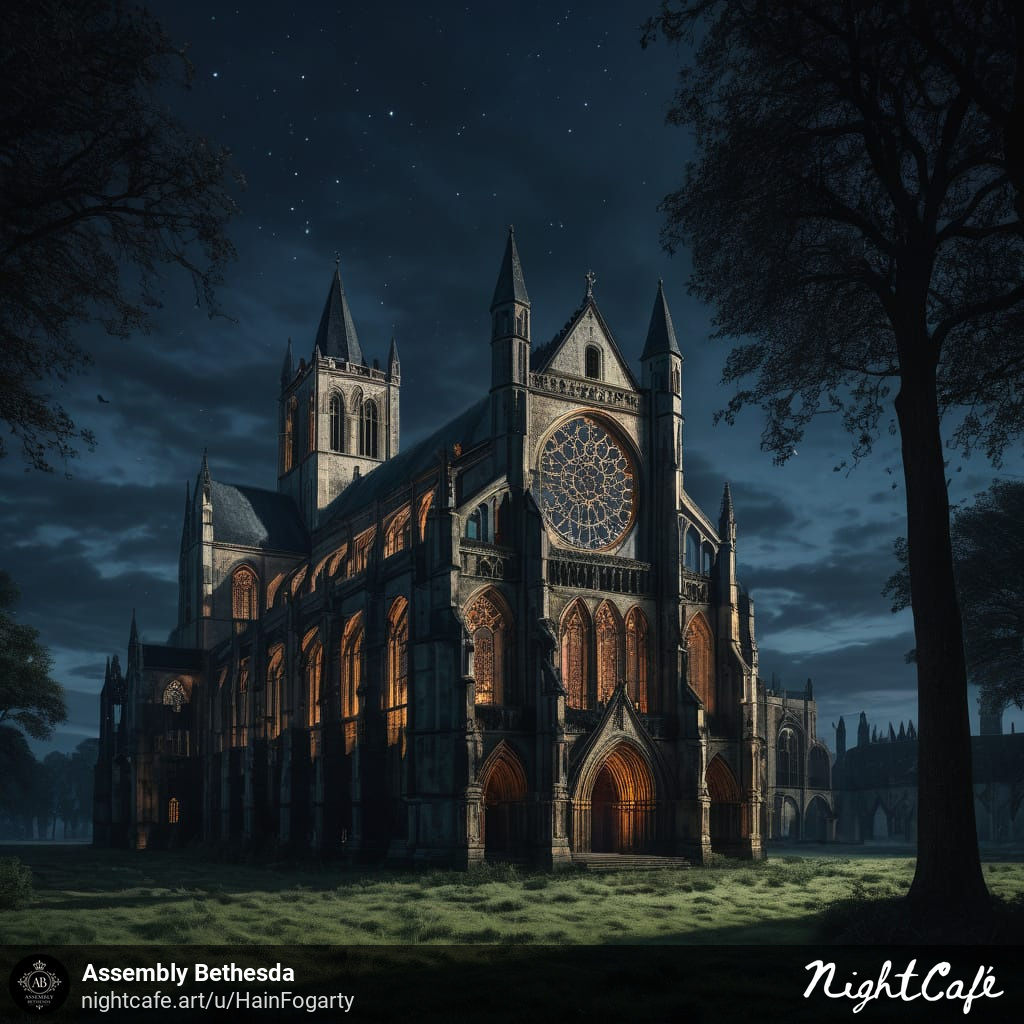
As the sun dips low, the old abbey’s walls glow gold and pink, while long shadows stretch across the grass like silent visitors. It’s twilight, the gentle in-between time when light meets dark without hurrying. An abbey feels right for this moment, with its towering arches, weathered gargoyles, and silent cloisters.
Twilight wraps it in an atmosphere that feels both peaceful and a little mysterious, perfect for reflection, prayer, and the search for something beyond the everyday.
Symbolizing spiritual life, abbey walls separate the sacred from the ordinary world, much like twilight separates the bright activity of day from the quiet rest of night. The abbey softens as the light fades. It’s almost like they’re holding on to the last bits of warmth in those stained glass windows, so vivid under the midday sun.
It used to look solid and unyielding, but now it’s revealing subtle colors, textures, and patterns. This shift isn’t just visual, it invites a slower pace, a chance to pause and notice the small things, the wind blowing through the leaves or how the air cools against your skin.
As a symbol of transition, twilight is a liminal space where opposites mix. Light doesn’t disappear instantly, it lingers, mixing with the incoming dark to create something new, something balanced. Because the worlds feel thinner at this time, many spiritual practices use it for reflection or ritual.
An abbey at twilight gives you a natural pause to contemplate what’s gone before and what’s coming next as the day’s energy winds down and the night’s stillness rises. Often Gothic in style, its architecture has pointed arches and intricate details, designed to draw the eye upward. When dusk comes, that upward gaze meets an indigo sky dotted with stars, reminding visitors of eternity amid the play of light and shadow.
Change and duality are reflected in the transition from light to dark. Light symbolizes knowledge, hope, and clarity, while dark symbolizes mystery, rest, and the unknown. Twilight is a beautiful example of how opposites can coexist, creating beauty in their meeting. In nature, this happens every day, as the sun sets, shadows lengthen, colors deepen, and the world quiets. It feels intentional in a monastery.
In the building itself, it’s a monument to cycles, seasons of prayer, work, and contemplation that follow daily and yearly patterns. Twilight becomes a daily reminder that endings lead to beginnings, and that darkness is a different kind of presence.
A walk through an abbey cloister at this hour might make you notice how the fading light tricks your senses. Shadows pool in corners, making familiar paths feel strange. Cooling air carries the sounds of distant bells and wind through open arches further. Stone floors, still warm from the day, contrast with the chill. It’s a quiet wonder.
Gargoyles perched high up seem to watch over the shifting, silent guardians of the boundary between day and night. The abbey becomes part of the transition, grounding the fleeting changes in the sky.
In addition to emotional and psychological layers, twilight can feel melancholic, a gentle sadness at the end of a day, but it also brings peace. The hustle fades, worries soften, and there’s space for thoughts that daylight crowds out. Abbeys are built for monks or nuns looking for peace. During the twilight, that solitude is enhanced, turning the space into a natural sanctuary where inner transitions mirror the outer ones. You might feel compelled to contemplate your own transitions, moments of loss leading to renewal, clarity blending into uncertainty.
Gothic abbeys, with their ribbed vaults and flying buttresses, are great for capturing and directing light. As the sun sets, windows that catch the setting sun shine golden hues before everything goes dark, illuminating altars or carvings. Those same windows turn into dark silhouettes against the sky as twilight approaches, drawing the focus inward.
In response to changing light, the abbey seems to breathe, making it feel timeless and connected to natural rhythms that outlive us all.
Twilight in an abbey setting inspires spiritual reflection. Many traditions see dusk as a time to reflect on the mysteries of existence. It’s symbolic of letting go, releasing the day’s attachments, and it’s a time of rest and new insight as the light fades. As places of devotion, abbeys embody this daily with vespers and evening prayers.
Chapels are designed for quiet contemplation, where candlelight eventually replaces natural light, continuing the theme of illumination in darkness.
A twilight abbey captures something universal, the beauty of change itself. Dark and light dance, creating profound harmony. Through it all, the old stones stand steady, witnessing countless twilights, each one unique yet part of an endless cycle. Standing there as the sky darkens and stars appear, you feel the quiet power of transition, how everything ends with a new beginning. We too move through these in-between spaces, carrying both light and shadow within us.