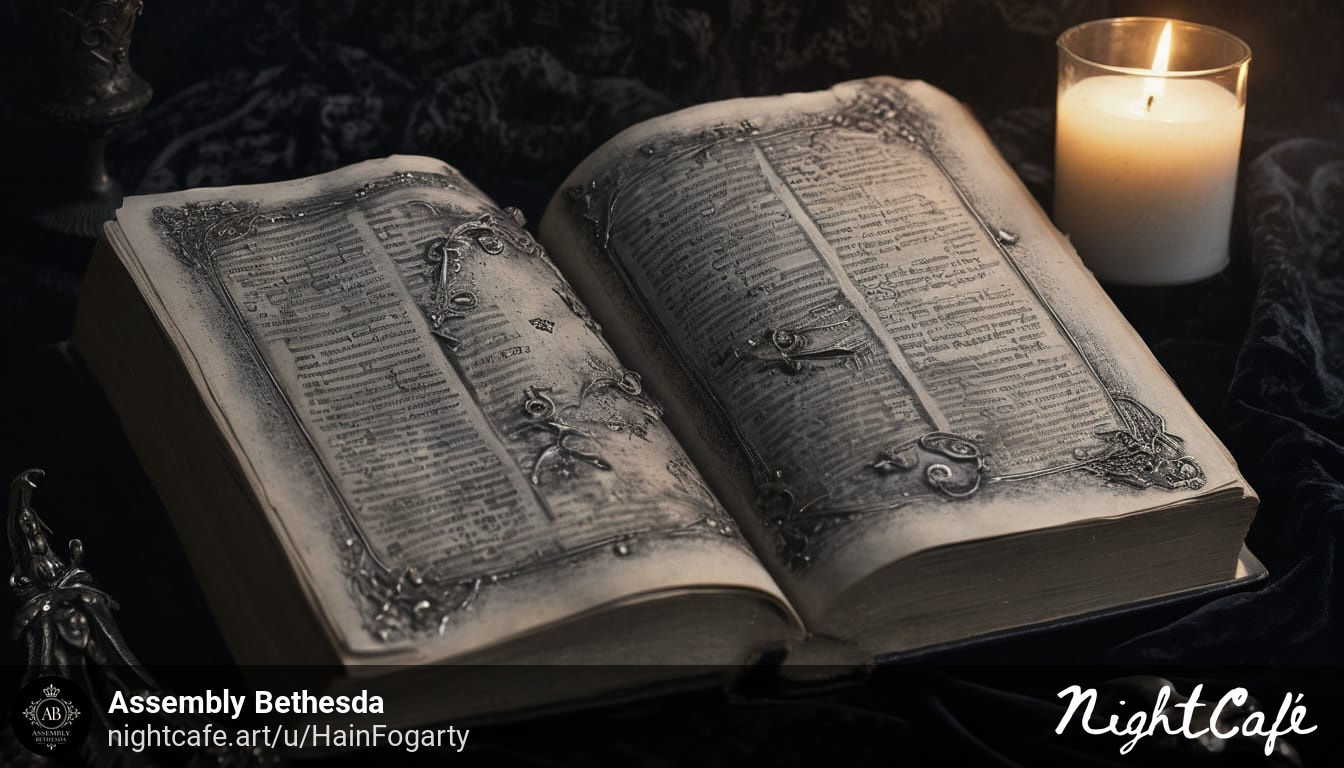
The goth vibe isn’t just about black clothes, heavy eyeliner, and brooding playlists. It’s a whole feeling. When life feels heavy, when the world feels cold and empty, and everything inside you screams that the light might never come back, the Psalms hit you differently. These quotes aren’t fluffy feel-good stuff, they’re real, angry, desperate cries. When the fog rolls in thick, hope feels like a distant myth, and you just need something to soothe the pain, these are perfect.
Psalms of lament appeal to Gothics because they don’t rush to happy endings. They linger in the pit, name the pain, and sometimes leave it hanging. If you like the melancholy beauty of the night, the Psalms are your soundtrack. Here are some of my favorites to listen to at night.
Psalm 88: is the darkest in the whole book. There’s no tidy resolution, no sudden praise break at the end. It’s just a full plunge into despair. He calls out to God as the God of salvation, but describes how his life sinks into the pit, surrounded by wrath like overwhelming waves. Friends have abandoned him, companions shun him, and darkness is his only friend. The last line lands heavy: “my companions have become darkness.” It’s bleak, unrelenting, and strangely comforting if you’re in that place where everything feels lost. You’re not wrong for feeling this way, and you’re not alone in asking God for help. Read it when you’re feeling lonely and prayers feel like they’re echoed back unanswered.
Psalm 22: “My God, my God, why have you forsaken me?” That alone gives it weight. The psalmist feels abandoned, mocked, poured out like water, bones out of joint, heart melting like wax. Enemies circle like bulls and lions, dogs surround him, hands and feet are pierced, garments are split. It’s like a horror movie.
But midway, it shifts to reminding us of God’s past faithfulness, then ends in a proclamation of praise that echoes into the future. It’s a journey from utter forsakenness to a hard-won declaration that God hears the afflicted. For goth sensibilities, the contrast works: hope emerges from suffering, without erasing it.
Psalm 42: (and its twin, Psalm 43): Whenever you feel distant from God, you get that deep soul-thirst. The deer panting for water becomes a metaphor for the soul longing for the living God, but instead there are tears for food and taunts of “Where is your God?” He remembers the good times of festival crowds and praise, but now his soul is in turmoil. The roar of waterfalls, breakers, waves crash over. It’s poetic, atmospheric, like standing on the edge of an abyss.
“Why are you cast down, O my soul? Trust in God, for I will praise him again.” It’s not denial, it’s naming the pain while holding onto a sliver of hope.
Psalm 13: is short but packs a punch. It opens with four “How long?” questions: How long will you forget me? Hide your face? Let sorrow fill my heart? How long will my enemy be exalted? It’s direct, impatient, exhausted. Then it turns to trust: “But I have trusted in your steadfast love, my heart shall rejoice in your salvation.” The shift is quick, but earned. When everything drags on forever and answers don’t come, this psalm gives voice to the frustration without apology.
Psalm 77: speaks to the nights when memories haunt more than comfort. The writer recalls better times, but now asks if God has forgotten to be gracious, if anger has shut off compassion forever. It’s a wrestling match with doubt, staring into the void. Yet it ends by remembering God’s mighty deeds, the path through the sea. The darkness is real, but so is the history of deliverance.
Psalm 6:A prayer for healing because bones are troubled and souls are greatly dismayed, Psalm 102:
There are days gone by like smoke, bones burn like furnaces, and the afflicted feel like a sparrow on a housetop. These aren’t upbeat, but they validate the physical toll of emotional darkness.
What makes these Psalms goth-friendly? They embrace the aesthetic of shadow without shame. They don’t ask for fake positivity. They let you scream, question, mourn, and still talk to God. They remind us that faith can live with doubt, praise with pain, light with legitimate darkness. A world that often wants quick fixes or toxic positivity, the Psalms offer space to be broken.
It’s time to turn to these chapters next time the black dog comes prowling or the night stretches too long. Read them slowly, maybe by candlelight, with some atmospheric music playing in the background. Let the words sink in. The Psalms were written for exactly those moments, centuries ago, by people who felt the same weight. Honor the darkness, but don’t stay there alone. You’ll find God right there.