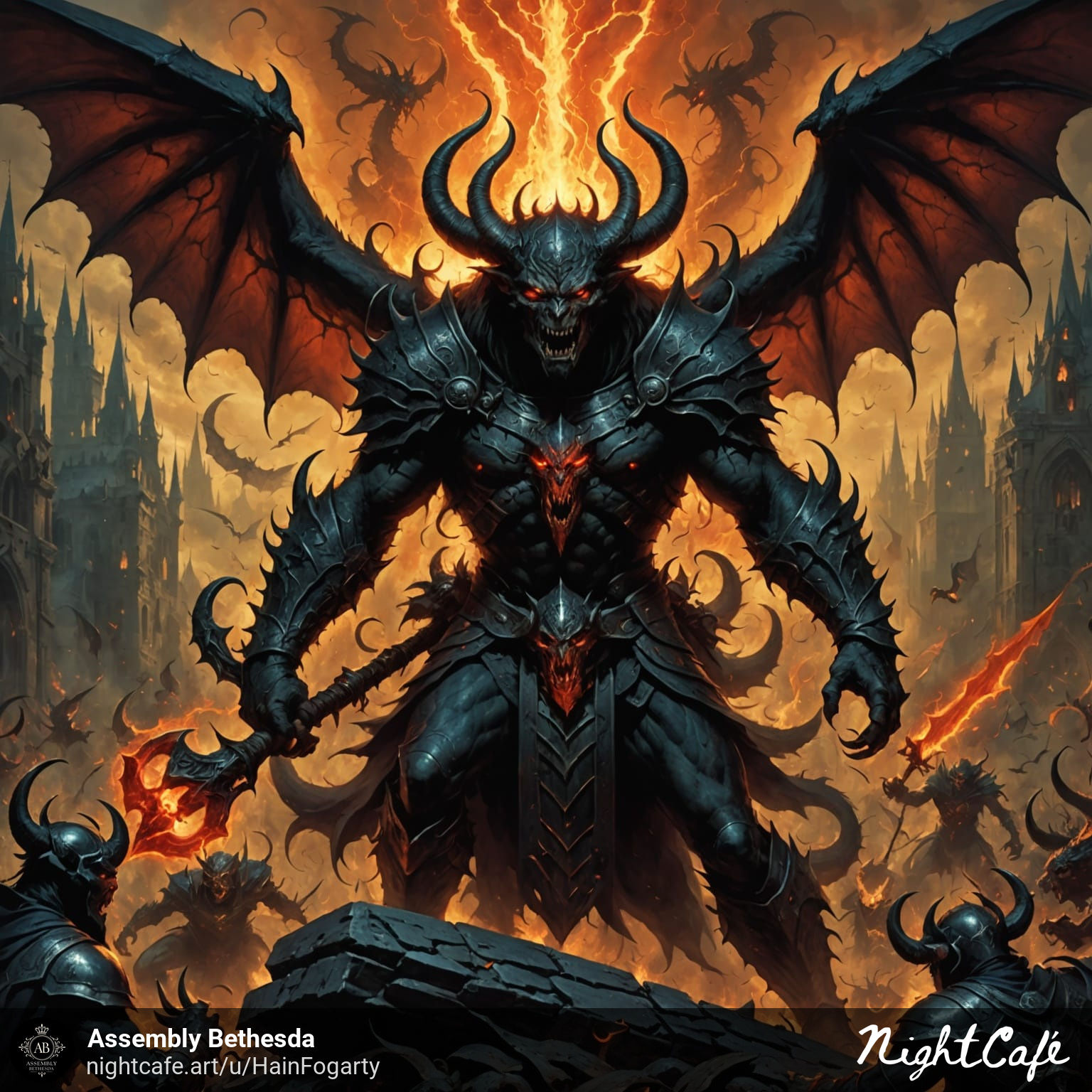
Even though these are taken from apocryphal (not scripture in the bible) texts. These texts do give us a solid insight into the way people in that region thought of the world around them.
This shadowy realm of minor demons often overlooked in mainstream biblical studies is revealed in the apocryphal texts, those ancient writings excluded from the Protestant canon but revered by Catholics and Orthodox Christians. The intertestamental Judaism understanding of spiritual warfare is enriched when these fiends appear in books such as Tobit, Bel and the Dragon, and the pseudepigraphal Book of Enoch, who are lesser in stature but potent in malice.
With vivid stories of possession, deception, and divine intervention, the apocrypha bridges the gap between the canonical scriptures, where demons are prominent in the New Testament but sparingly in the Old Testament. These stories use the New International Version when it is available for deuterocanonical passages to illustrate entities driven by lust, idolatry, and corruption, serving as warnings against moral compromise.
This evil spirit, described as the worst of demons, falls in love with Sarah, daughter of Raguel, and kills her seven successive husbands before their marriages can be consummated in the Book of Tobit. “I have been reprised by my father’s maids because I was given in marriage to seven husbands, and Asmodeus the demon killed each of them before they were married to me.” Sarah’s anguish is described in Tobit 3:8. A divine remedy repels the demon’s possessive desire.
Tobias, Tobit’s son, marries Sarah and burns a fish caught in the Tigris River’s heart and liver with hot coals. This is under the guidance of the archangel Raphael, disguised as a companion. (Tobit 8:2-3) Asmodeus flees to Egypt, where Raphael binds him. This ritual emphasizes themes of faith and purity triumphing over carnal evil, while Asmodeus symbolizes the destruction of familial bonds caused by unchecked lust
In Bel and the Dragon, a fearsome dragon or serpent symbolizes Babylon’s idolatrous deception in Daniel. As a living god, this creature consumes vast offerings every day, convincing King Cyrus of its divinity. Using pitch, fat, and hair in its belly, Daniel exposes the fraud, killing it instantly (Bel and the Dragon 27). Though not explicitly called a demon, the dragon functions as a fiend, a false idol animated by satanic influence. It echos serpentine imagery from Genesis.
When Daniel scatters ashes to reveal their secret tunnels for consuming offerings, he debunks the priests of Bel, another false god who was lavishly fed. Human gullibility rather than supernatural power critiques pagan worship. In the Book of Enoch, a pseudepigraphal work influential on early Christian thought, the Watchers, fallen angels who descend on earth, provide deeper insight into demonic origins.
There are two hundred angels who lust after human women, producing the giant Nephilim that consume resources and incite violence (1 Enoch 7). Zazel teaches forbidden arts, including metallurgy, makeup, and sorcery. God commands the archangels to bind these rebels in darkness until judgment, while their offspring’s spirits become roaming demons afflicting humanity (1 Enoch 15:8-12).
As their disembodied forms persist as minor friends causing illness and sin after the flood, these evil spirits explain post-flood malevolence. Despite being subordinate, such demons are pervasive, awaiting their eschatological defeat in Enoch’s visions. Other apocryphal whispers include Belial, the wicked one from texts like the Gospel of Bartholomew, embodying lawlessness. Mastema from the Jubilees, the satan-like accuser granting authority over tempting spirits.
During exile, Persian dualalism influenced demonology, compared to the canonical Bible’s restraint on such details. A New Testament exorcism is prefigured by Raphael’s intervention in Tobit’s, while Jude 1:6 and 2 Peter 2:4 mention chained angels. Bell and the Dragon reinforce monotheism against demonic impostors. These narratives, though non-canonical for many, enrich evil reflection.
Minor demons exploit human weaknesses: lust in Asmodeus, deception in the dragon, rebellion in the Watchers. God’s sovereignty is consistently confirmed by divine agents.
Ephesians 6:12 reminds believers to be vigilant against spiritual snares. The apocrypha preserves a tapestry of forgotten lore, encouraging deeper engagement with scripture.