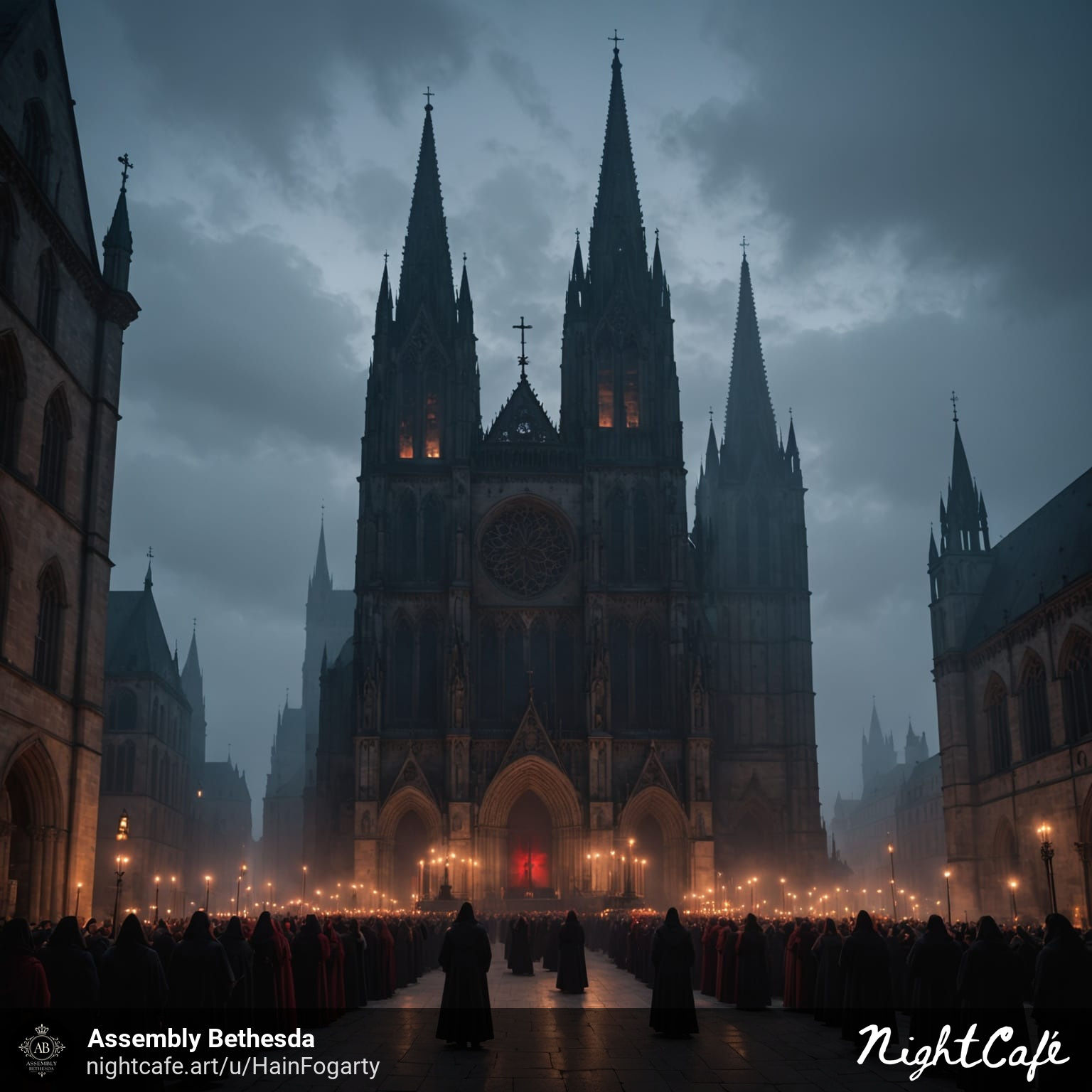
The Shadow of the Cross: Exploring Lesser-Known Martyrs
In the dim corridors of history, where faith intersects with the macabre, the stories of Christian martyrs cast long shadows, much like the intricate arches of Gothic cathedrals that evoke mystery and solemnity. Gothic lore, which emphasizes darkness, persecution, and transcendent endurance, finds echoes in the tales of these believers who endured horrific torments.
In spite of being overshadowed by more prominent saints, these lesser-known saints embody what the cross symbolizes: suffering intertwined with redemption. This exploration delves into their lives, revealing their martyrdoms as a testament to faith in the face of horror.
“When he opened the fifth seal, I saw the souls of those who died because they had kept God’s word and kept a testimony,” Revelation 6:9-11 says in the New International Version of the Bible. They called out in a loud voice, ‘How long, Sovereign Lord, holy and true, before you judge the inhabitants of the earth and avenge our blood?’
As soon as they got a white robe, they were told to wait until all of their fellow servants, their brothers and sisters, were killed the same way they were.” Gothic narratives of spiritual resilience in the face of worldly cruelty often feature the cry of the martyred.
Gothic lore is directly related to the persecution of Gothic tribes during the turbulent era. During the fourth century, St. Sabas the Goth lived among a people split between pagan traditions and emerging Christianity along the Danube River. After being converted by Cappadocian prisoners, Sabas refused to participate in rituals that compromise his faith.
During a fierce persecution under King Athanaric in 372, Sabas was arrested for refusing to eat meat sacrificed to idols. Tortured relentlessly, he endured beatings and was dragged through thorny bushes, yet his spirit remained unshaken. As a symbol of baptism in reverse, soldiers drowned him with a wooden beam in the River Buzău.
The story reflects Gothic lore’s fascination with conflict between old gods and new faith, where the cross’s shadow falls over barbaric rites and unwavering conviction.
Sabas’ martyrdom underscores Matthew 5:10-12’s promise: “Blessed are those who are persecuted for righteousness, for they’ll be in heaven.” People insult you, persecute you, and say all kinds of evil about you for me, but you’re blessed. Be glad, because in the same way that they persecuted the prophets before you, you’ll get a great reward in heaven.”
During this era, Nicetas the Goth, another Christian victim of Athanaric’s campaigns, converted and became a fervent evangelist among his people. Nicetas was a warrior by background, but he turned into a fervent evangelist under Bishop Theophilus’ influence. In 372, Nicetas publicly denounced Athanaric’s idolatry and cruelty amid widespread violence. His preaching strengthened the fledgling Christian communities along the Danube, but he drew the ire of pagan leaders.
He was beaten and thrown into a fire, where he died while praising God. Accounts claim his body kept being incorrupt, which inspired more converts. Nicetas’s tale weaves into Gothic lore as a tale of heroic defiance, where the flames of persecution mirror the infernal imagery often seen in Gothic tales of damnation and salvation. Everyone who lives a godly life in Christ Jesus will be persecuted, says 2 Timothy 3:12 in the NIV.
Taking place in medieval Europe, St. Dymphna tells a tale filled with psychological pain and family betrayal, all in line with Gothic themes. Dymphna was born in Ireland in the seventh century to a pagan king and a Christian mother. She converted young and vowed chastity. After her mother’s death, her father’s grief turned into madness, so he chased Dymphna incestuously.
With her confessor, Father Gerebernus, she fled to Belgium and sought refuge in Geel. After being discovered, her father demanded that she marry him. When she refused, he beheaded her, around 620. The martyrdom of Dymphna, characterized by mental affliction and violent pursuit, has made her the patron of nervous disorders, evoking Gothic lore’s obsession with haunted minds and tragic fates.
It’s like John 15:20: “A servant isn’t greater than his master. If they persecuted me, they’ll persecute you too.”
A second martyr whose legend is filled with Gothic motifs is St. Barbara, whose imprisonment and defiance evoke towers of solitude and divine intervention. As the daughter of a wealthy pagan named Dioscorus, Barbara lived in Nicomedia during Emperor Maximian’s reign, where she was kept in a tower to protect herself from suitors and the world. During her time there, she secretly converted to Christianity, changing the tower’s design to include a third window.
Experiencing torture, she was scourged, burned with torches, and mutilated. Her father eventually beheaded her on a mountain, only to get struck by lightning. The story of Barbara, with its elements of confinement, betrayal, and supernatural justice, reminds me of Gothic literature’s archetypal damsels in distress and vengeful gods, as seen in medieval hagiography.
In the annals of early Gaul, St. Quentin’s missionary zeal and gruesome end add another layer to this exploration. A Roman noble converted in the third century, Quentin ventured to Amiens to preach, converting many despite Roman opposition. During Diocletian’s persecutions, he got nails driven into his body, boiling oil poured on wounds, and stretched limbs on a rack.
The body of Quentin was miraculously recovered and became a pilgrimage site when he refused to recant around 287. With his physical agony and steadfast proclamation, Quentin captures the visceral horror of Gothic lore, reminding readers of the cost of testimony.
As Blessed Peter To Rot takes us into modern times, martyrdom remains relevant beyond ancient times, blending with contemporary shadows. During World War II, Peter was a catechist in Papua New Guinea, where Japan banned worship and promoted polygamy, but he stood up for Christian teachings. He was imprisoned and poisoned in 1945 for continuing secret services and defending marriage.
Gothic lore’s enduring theme of faith tested in oppressive darkness is reflected in his quiet heroism.
Finally, St. Philomena’s enigmatic story, revealed through visions and relics discovered in 1802, embodies mystery and miraculous survival. Around 304, she rejected Emperor Diocletian’s advances and endured scourging, drowning attempts, and arrows, each time healed by angels until she was beheaded. Although her cult is controversial, it highlights Gothic elements of supernatural aid in the midst of torture.
From Gothic tribes to distant lands, these martyrs illustrate how the cross’ shadow reaches through history, inspiring perseverance. They inspire us to embrace suffering with hope, as in Acts 7:59-60: “While they were stoning him, Stephen prayed, “Lord Jesus, give me your spirit.” Then he fell to his knees and said, “Lord, don’t hold this sin against them.” After he said that, he fell asleep.” Gothic mythology reminds us that light pierces even the darkest places.